A Brighter Tomorrow for Puerto Rico.

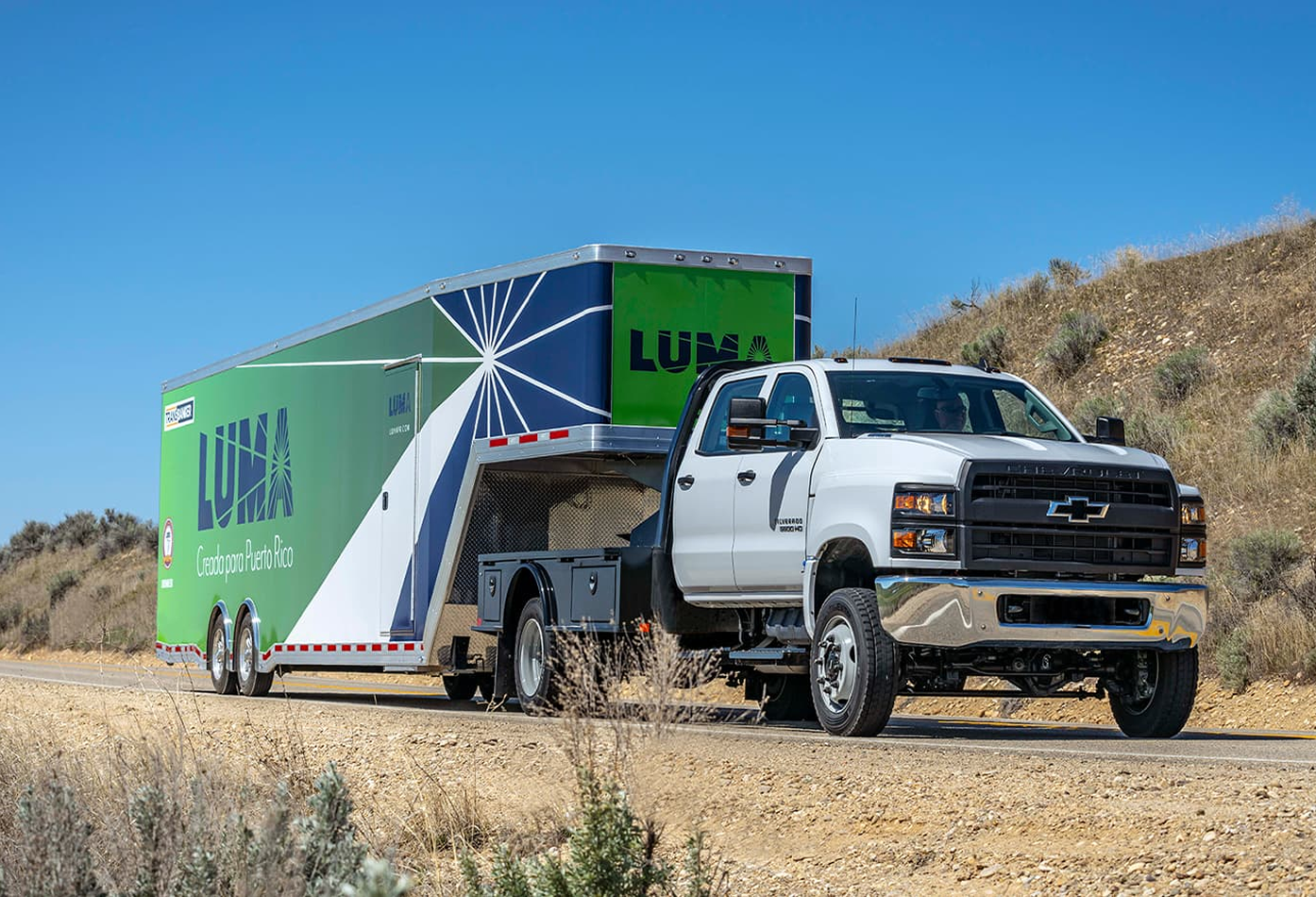
Luma was created with one simple mission: to build a world-class power grid for Puerto Rico. From day one, Luma turned to Carimus to help them establish an identity, connect with Puerto Ricans, and deliver on their promise.
Industry
Energy & Utility
Client
Luma
Services
Application Development & Modernization Brand Modernization & Transformation Corporate Communications Enterprise Design Systems Enterprise Website Design & Development
Customer Communication

Improve digital communication with customers and communities

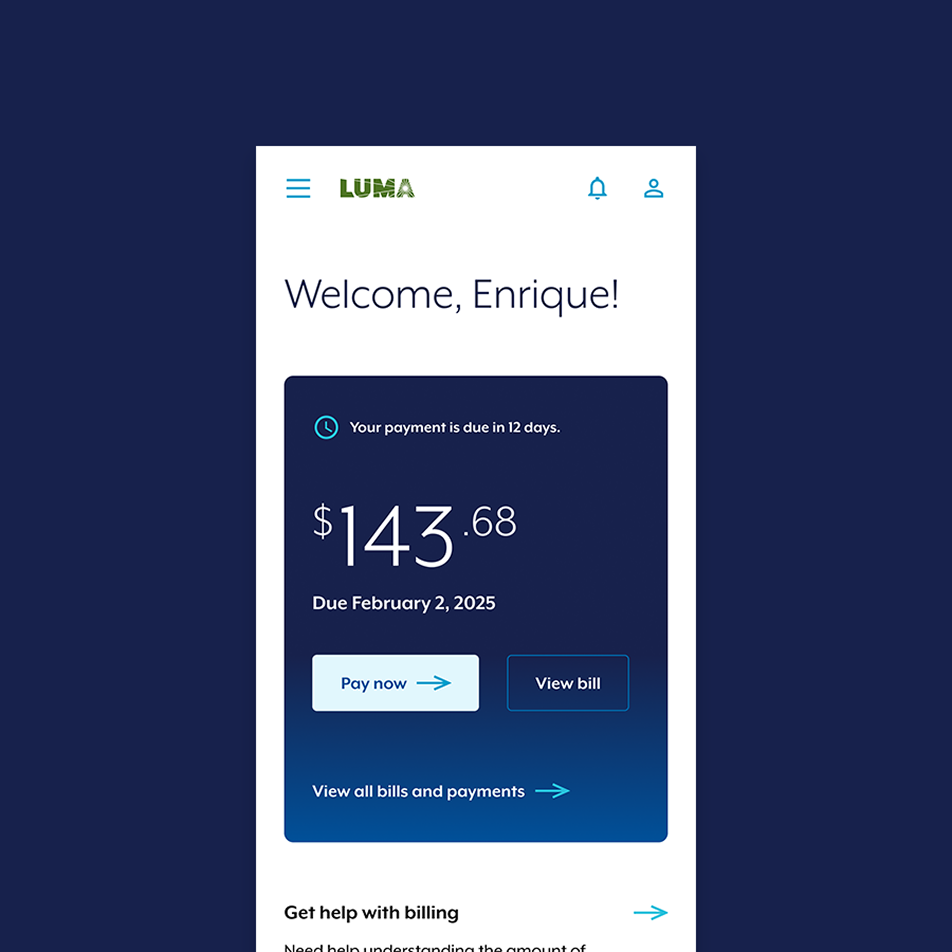
As LUMA assumed responsibility for Puerto Rico’s electric grid, the organization needed digital platforms capable of clearly communicating service information, updates, and resources to customers and stakeholders.
Operational Transparency

Provide clear access to critical service information

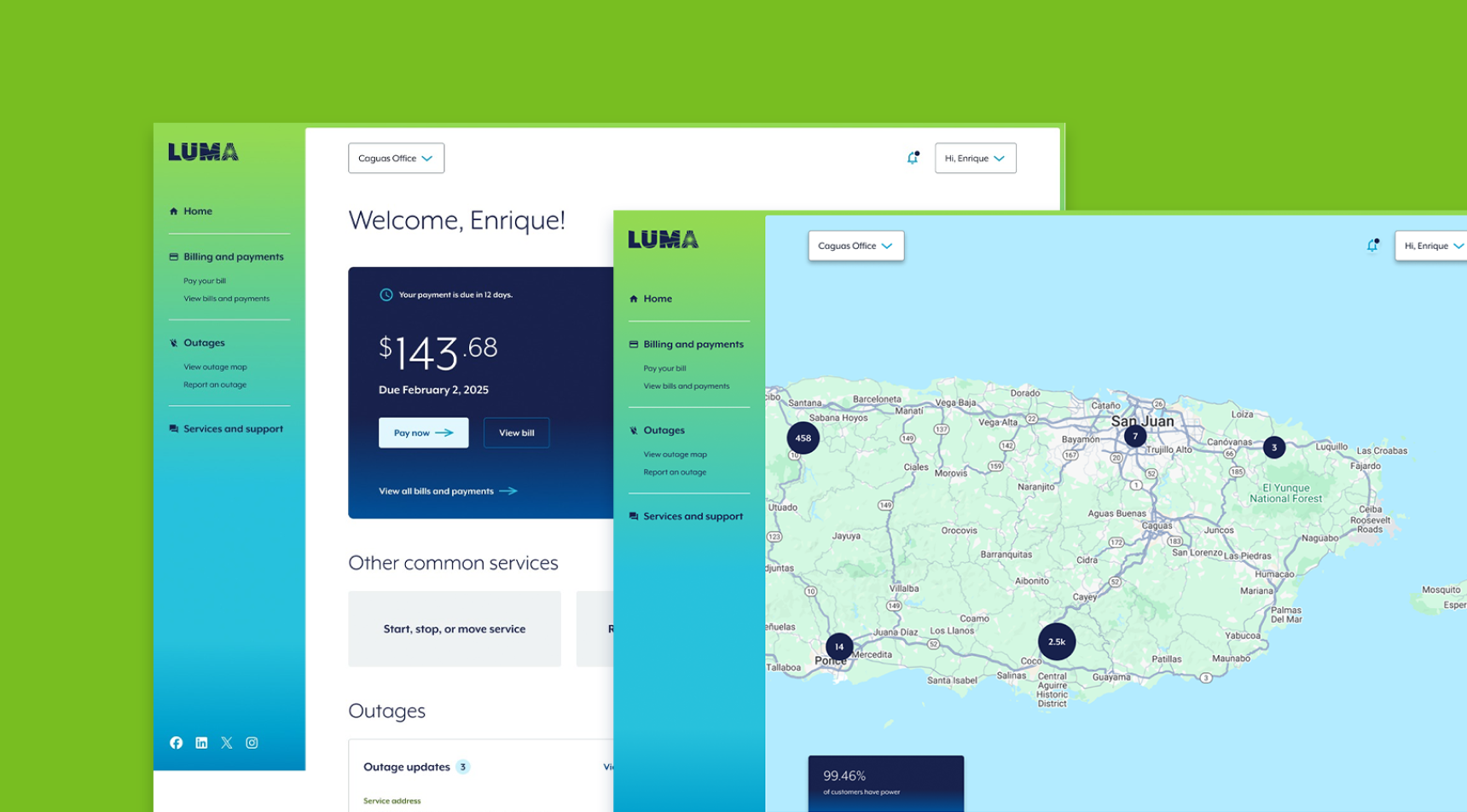
The platform needed to make essential information easy to access for residents, businesses, and partners while supporting LUMA’s role managing critical energy infrastructure.

Marking a Beginning

Luma was created specifically to address the problems facing Puerto Rico’s electrical grid. As they prepared their bid to be Puerto Rico’s energy provider, Luma partnered with Carimus to develop a compelling brand. Our discovery and design process incorporated stakeholder desires, explored competitor branding, and analyzed target audiences. The brand we crafted, anchored by a bright and optimistic logo that conveyed Luma’s vision for the island, was an integral part of their successful bid.
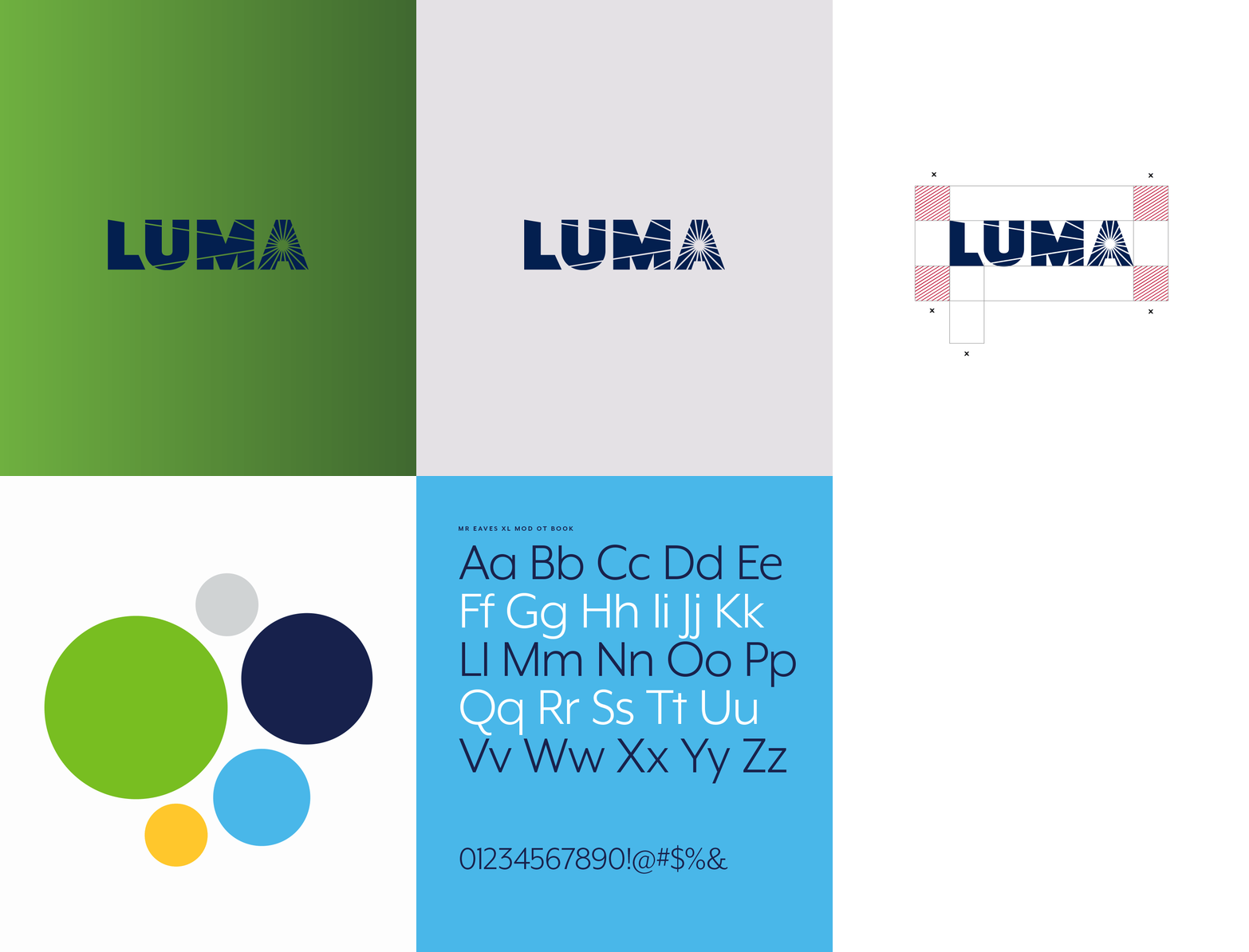
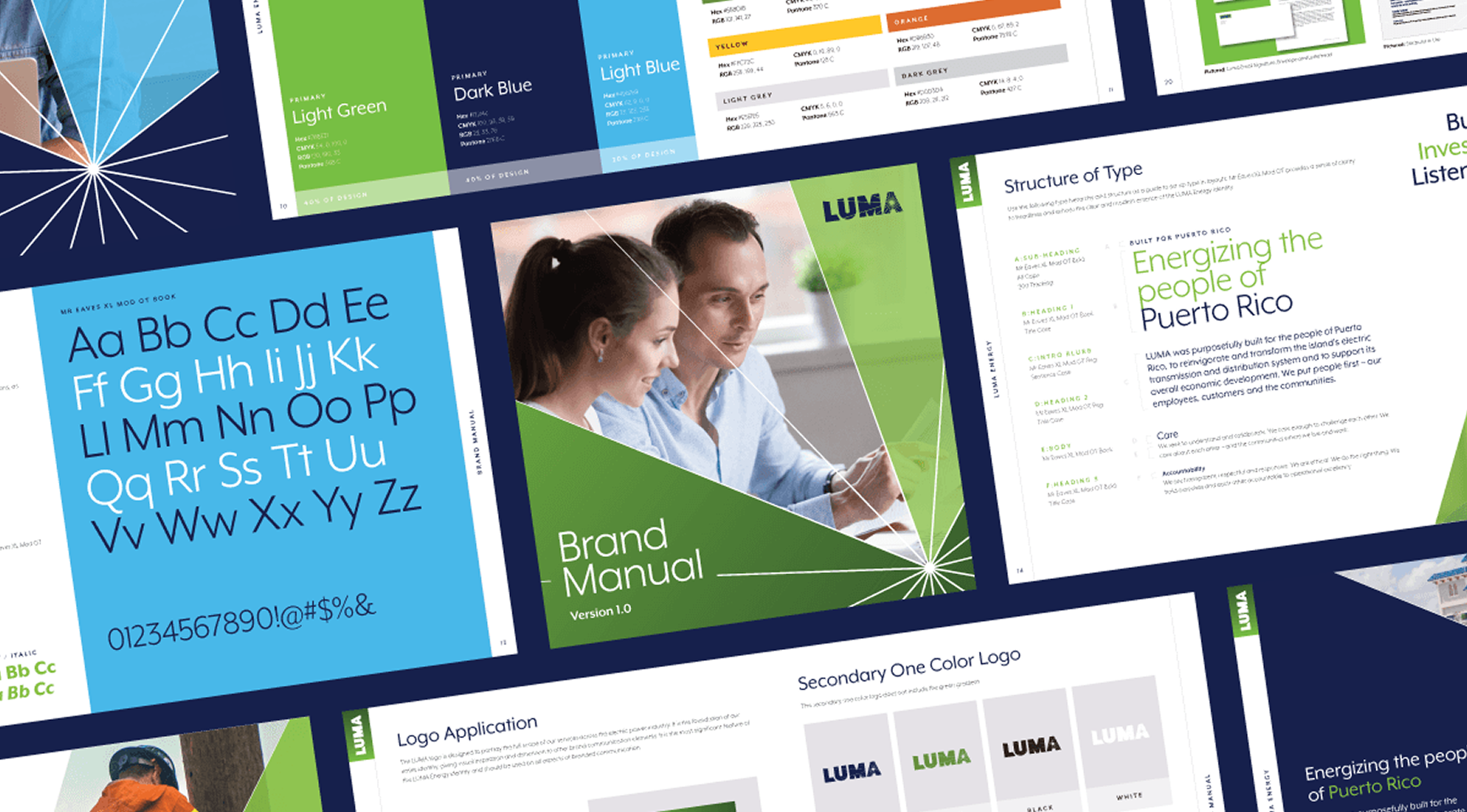
Luma logo creating by Carimus
MiLUMA branding created by Carimus
Luma branding logo

Grace in Complexity

The transition period was a complicated time for Luma, marked by political concerns, public distrust, and fear of change. But Luma had a job to do. We believe that effective brands must respect their audience. Trust must be earned, and esteem can’t be forced. We developed a communications strategy that focussed on the work. Fashioning educational and informational materials that clearly communicated what customers needed to know, we helped Luma to move through the noise and toward their goal.
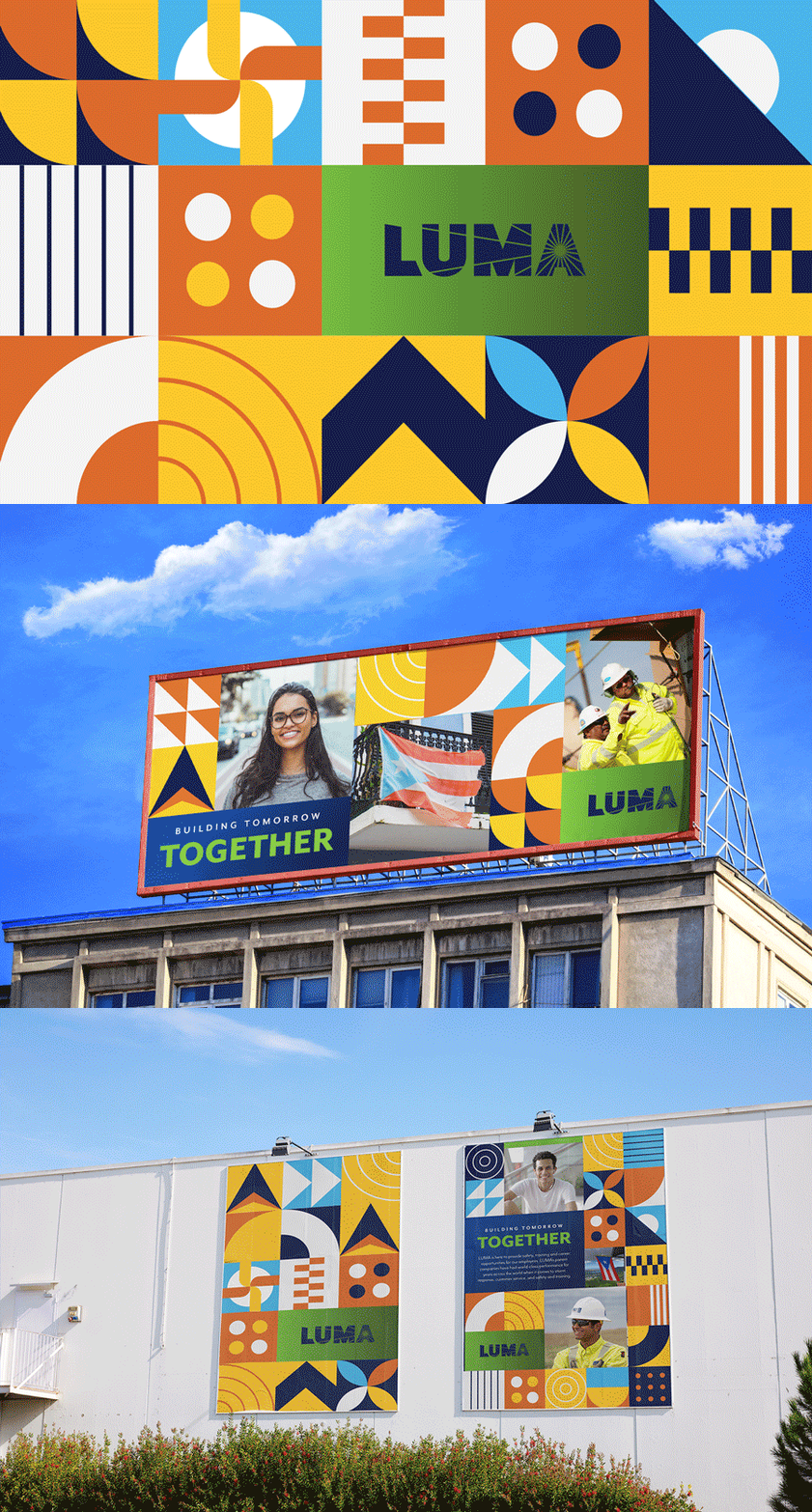
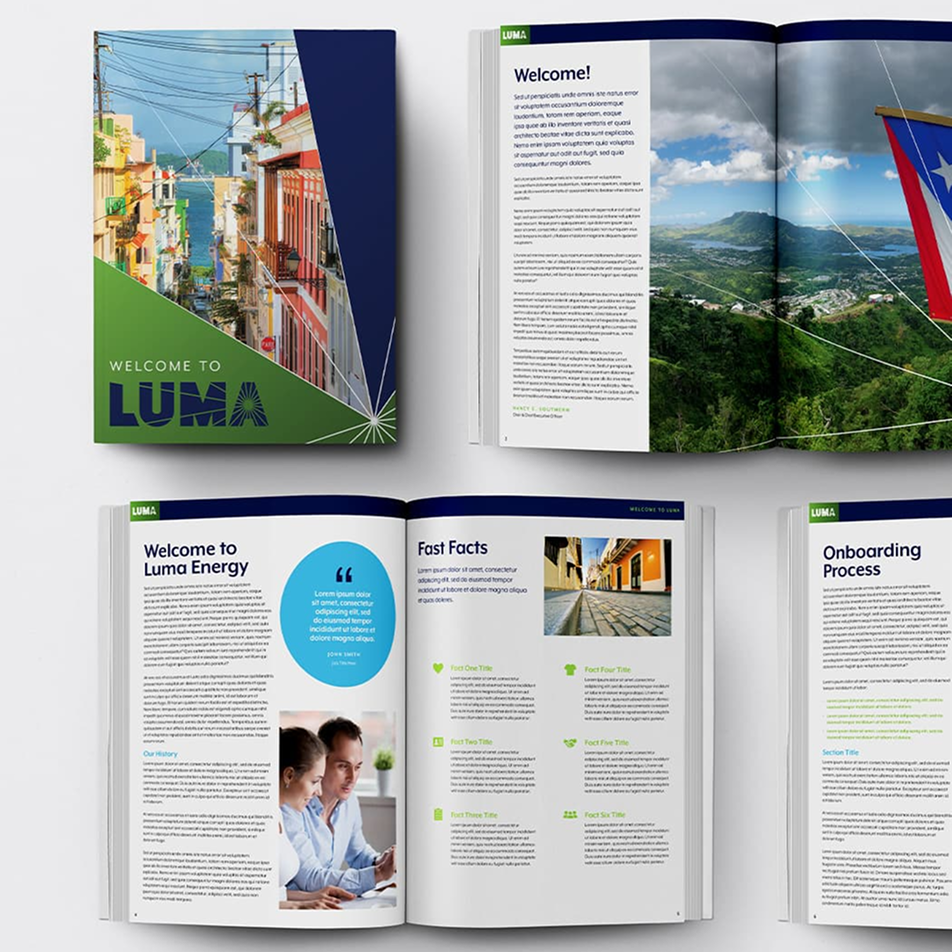
Better Every Day

“We know brand, and that means knowing how to back it up. When Luma turned to Carimus to solve the problem of requiring Puerto Ricans to wait in line and pay their power bills in person, we were ready.


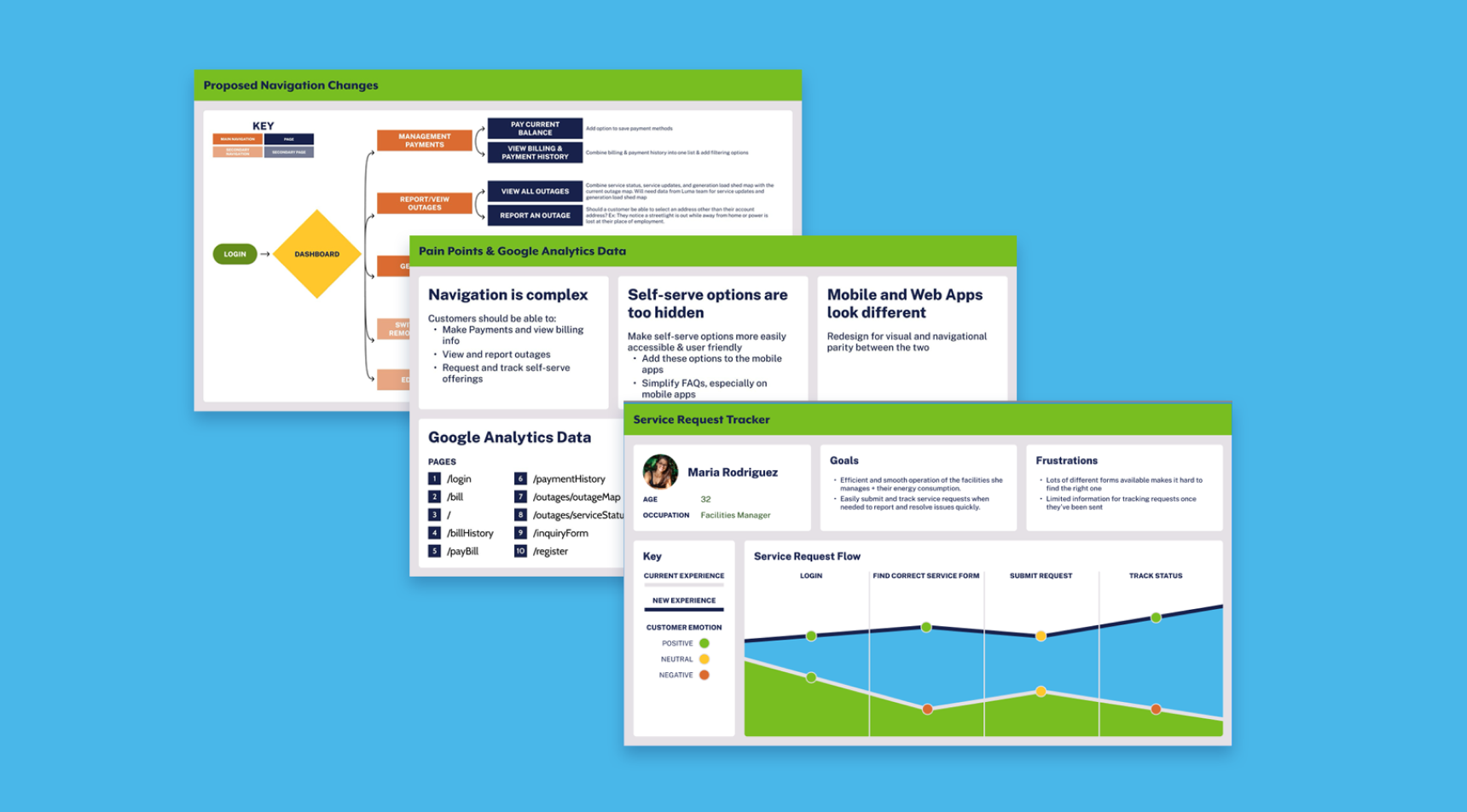
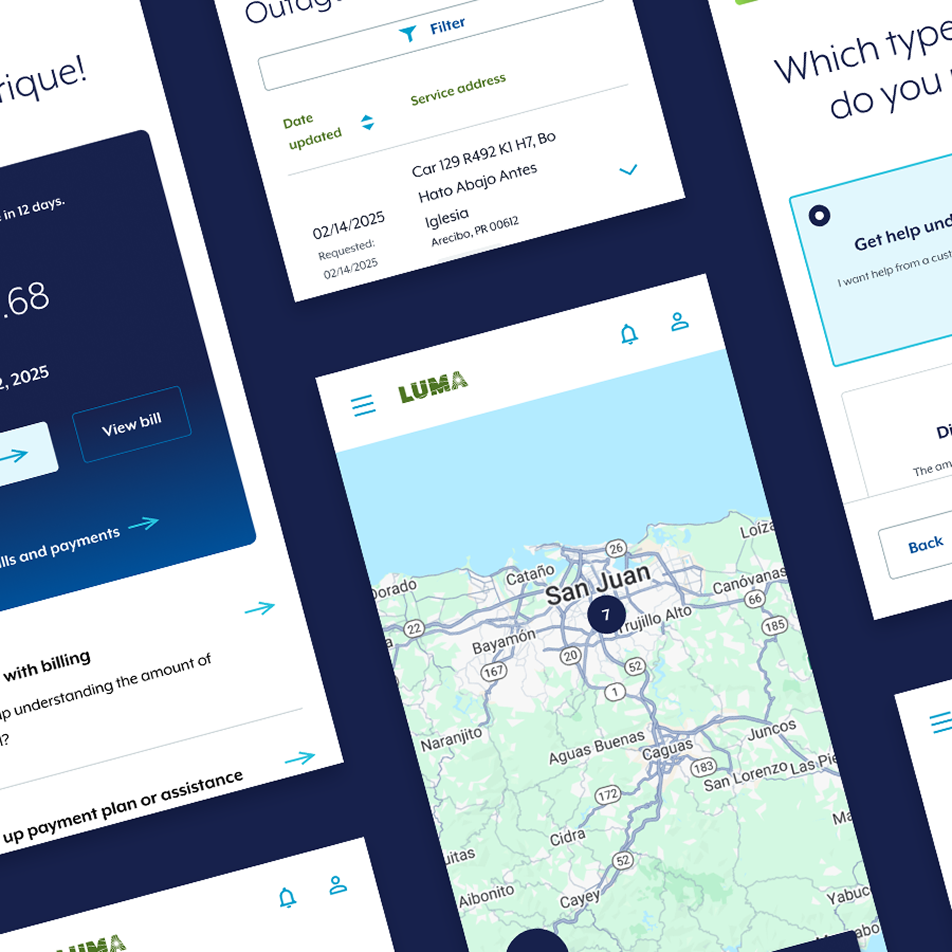
Building on discovery work, including device usage profiles for the island, we set an aggressive development schedule to deliver a mobile-first web app with an intuitive user experience and the security necessary for a payment portal of this size in time for the commencement of Luma service. We continue to add features and maintain the MiLuma app that over 850,000 users use to pay their power bills, report outages, and receive important safety information wherever they are.”
Connecting with Community

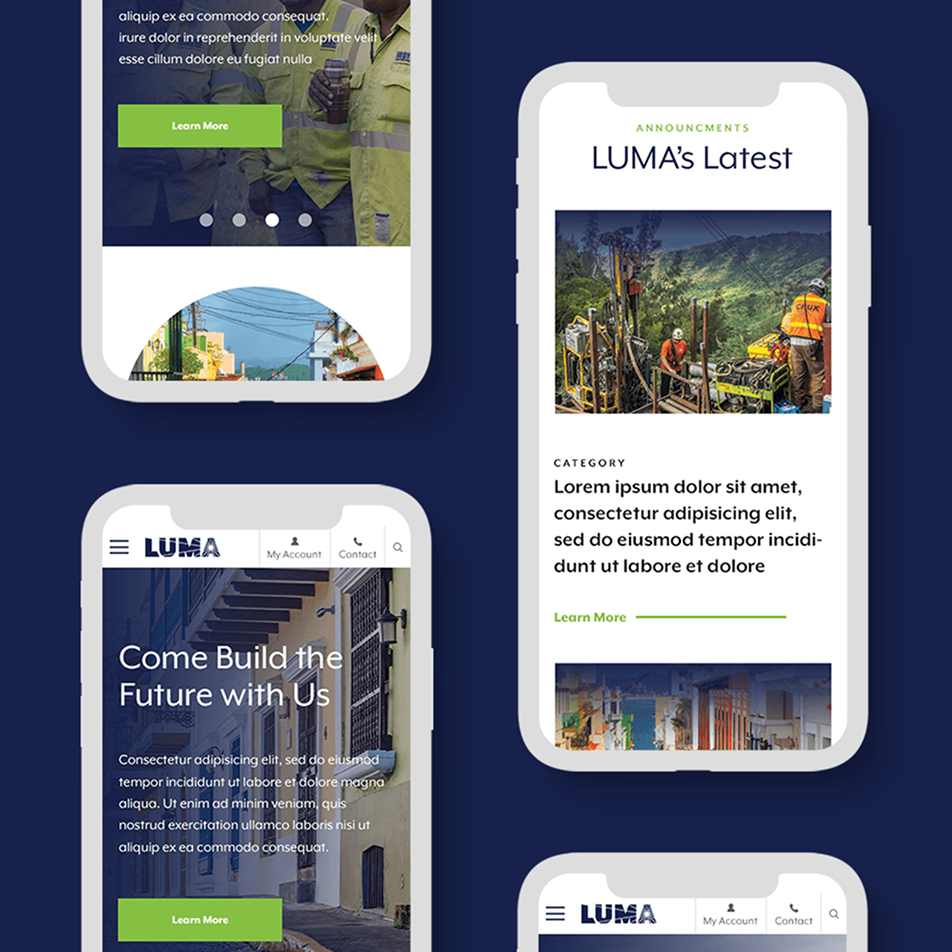
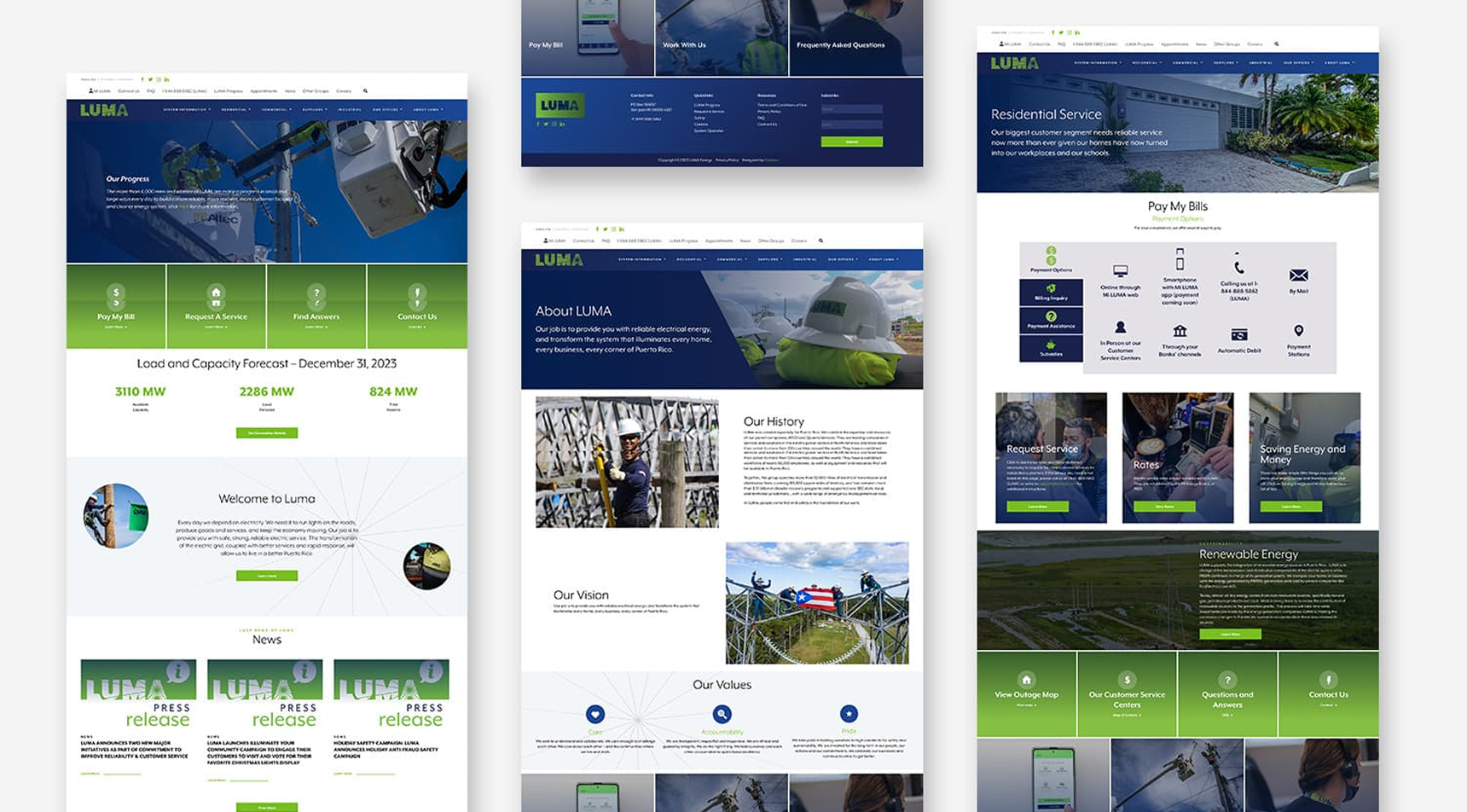
“Luma is committed to Puerto Rico for the long haul. We collaborated closely with Luma to design, develop, and deploy a new website to serve as a bridge to the people they serve. The website leverages intuitive user experience to easily connect Luma’s customers with the information and resources they need.


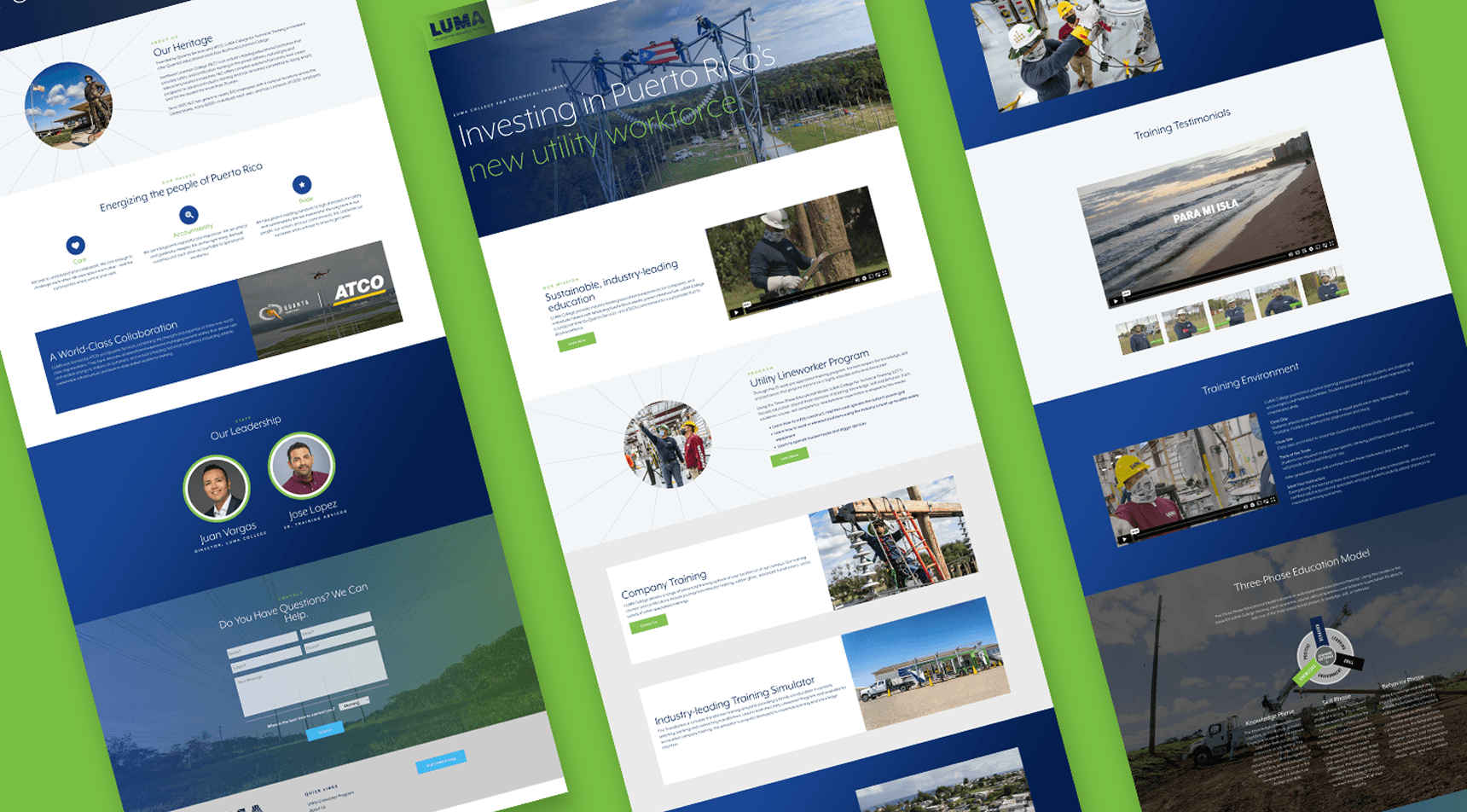
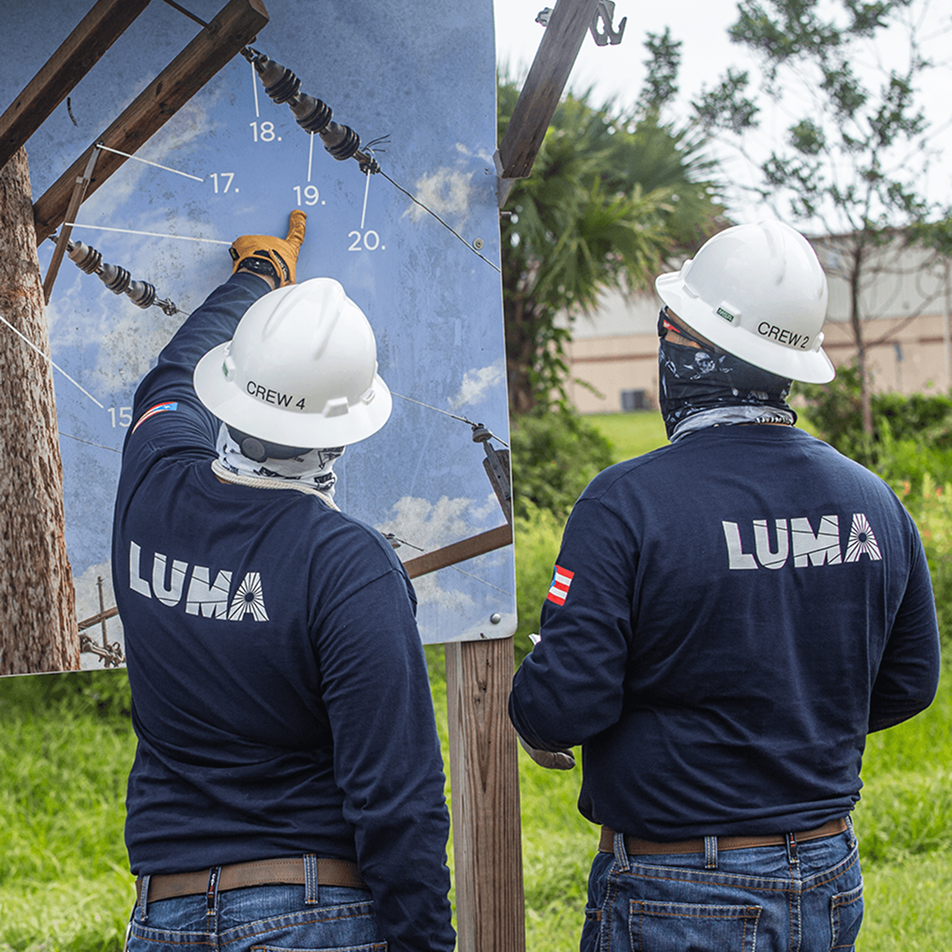
Building a world-class power grid means employing the best. To grow the needed workforce, we designed and deployed a campaign to publicize the Luma Line College, connecting young Puerto Ricans with careers in the trades.”
Impact

Digital Platform

Improved access to critical service information

Carimus developed digital experiences that help LUMA communicate more effectively with customers and stakeholders, improving access to information related to energy services and infrastructure.

Looking beyond your own horizons?
Ready when you are.

Imagining the Impossible. Redefining the Possible.

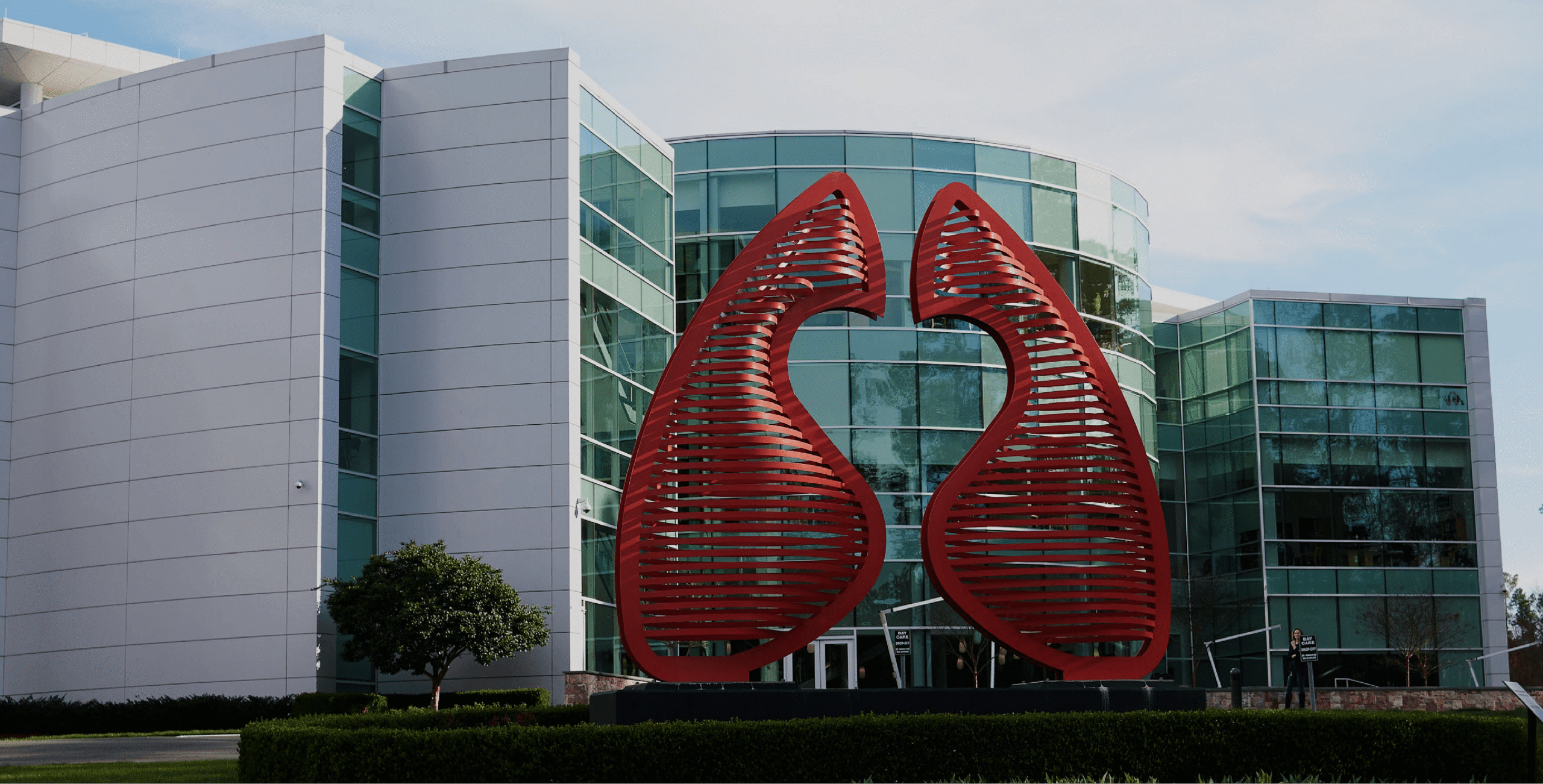
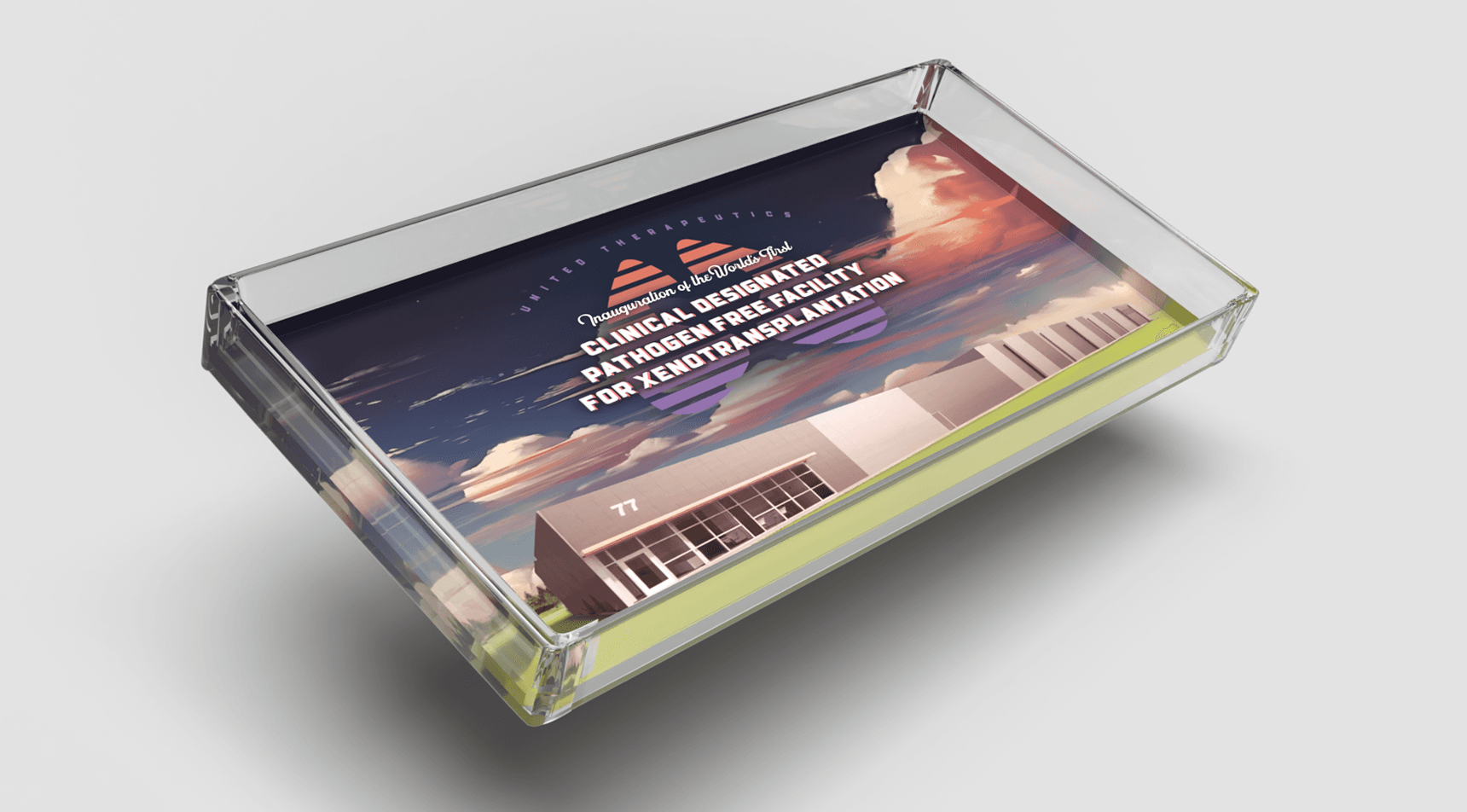
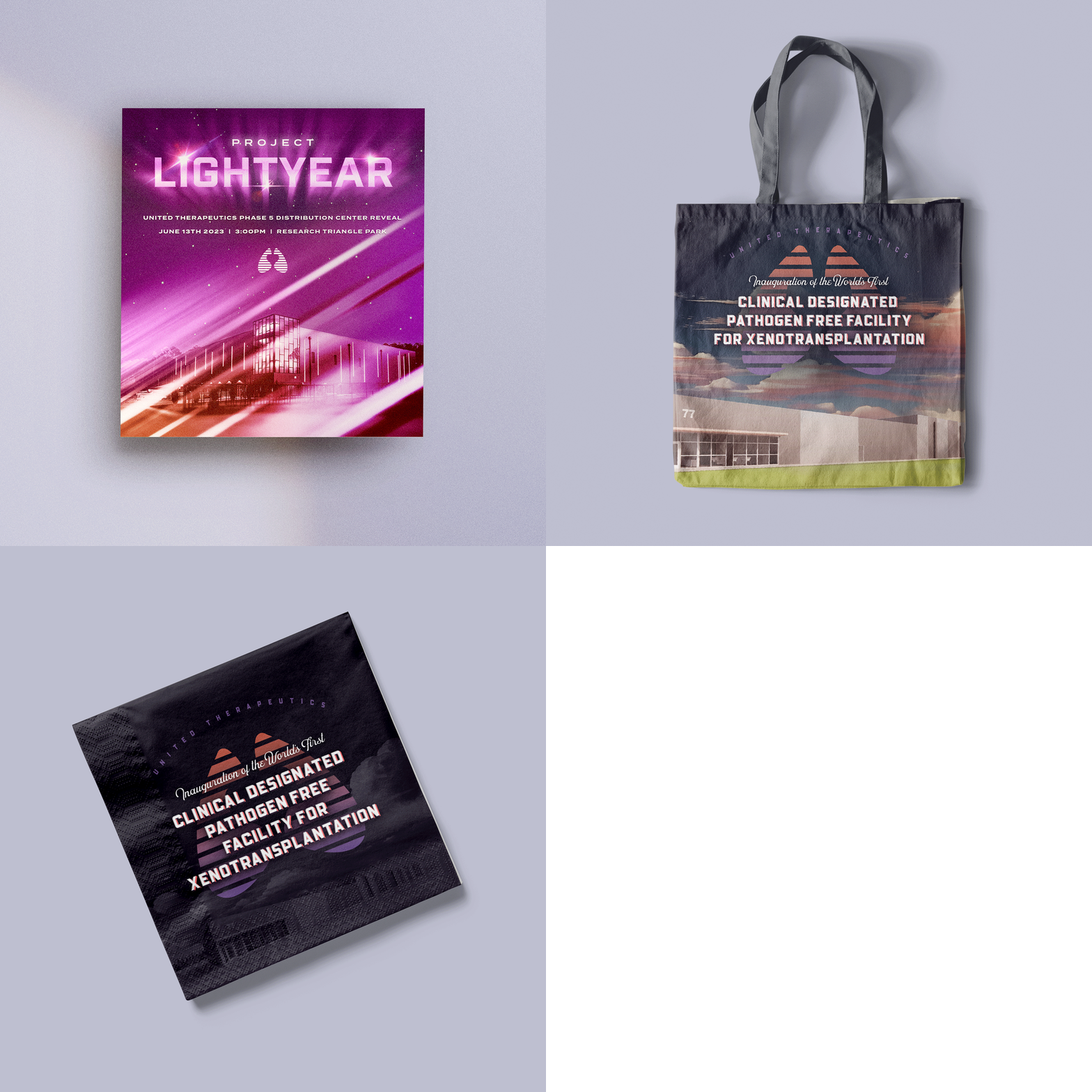
United Therapeutics began with a simple, impossible purpose: to cure the rare disease known as pulmonary arterial hypertension. Over the past three decades, they have made incredible strides, transforming the lives of people living with this condition. UT channeled their success into tackling other impossibilities. Today, they stand at the forefront of rare disease and organ transplant research.

Industry
Health & Life Science
Client
United Therapeutics
Services
Application Development & Modernization Corporate Communications Multichannel Campaign Strategy & Execution Sales Enablement & Go-to-market
Awards
Gold winner silver winner silver winner 2
Product Launch Support

Support the introduction of next-generation therapy technology

United Therapeutics needed digital and creative support to introduce a new generation of therapy delivery technology while clearly communicating its value to healthcare providers and patients.
Patient & Provider Communication

Deliver clear education around complex therapies

The experience needed to translate complex treatment information into clear, accessible communication supporting both healthcare professionals and patients.

Presenting Our Designers.

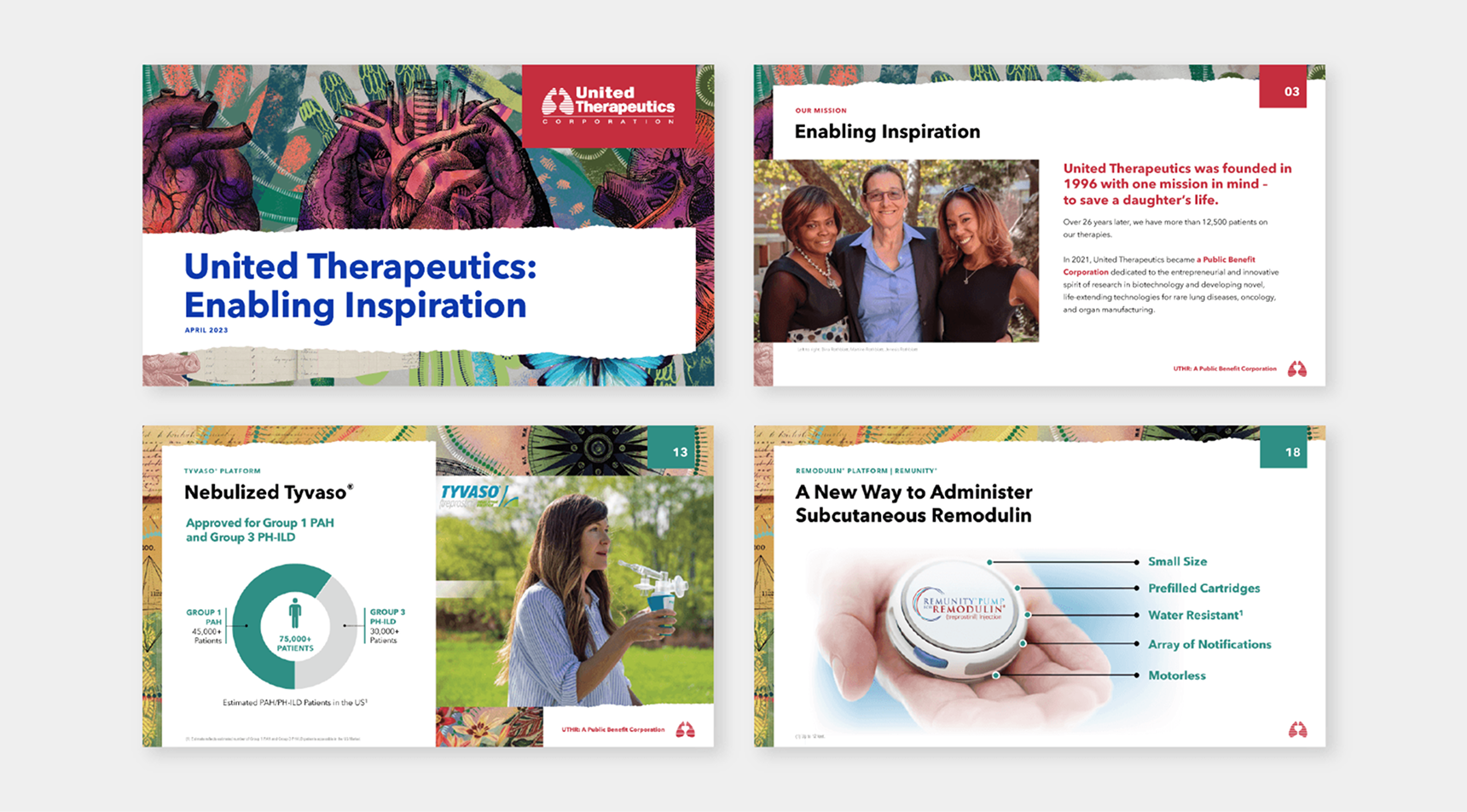
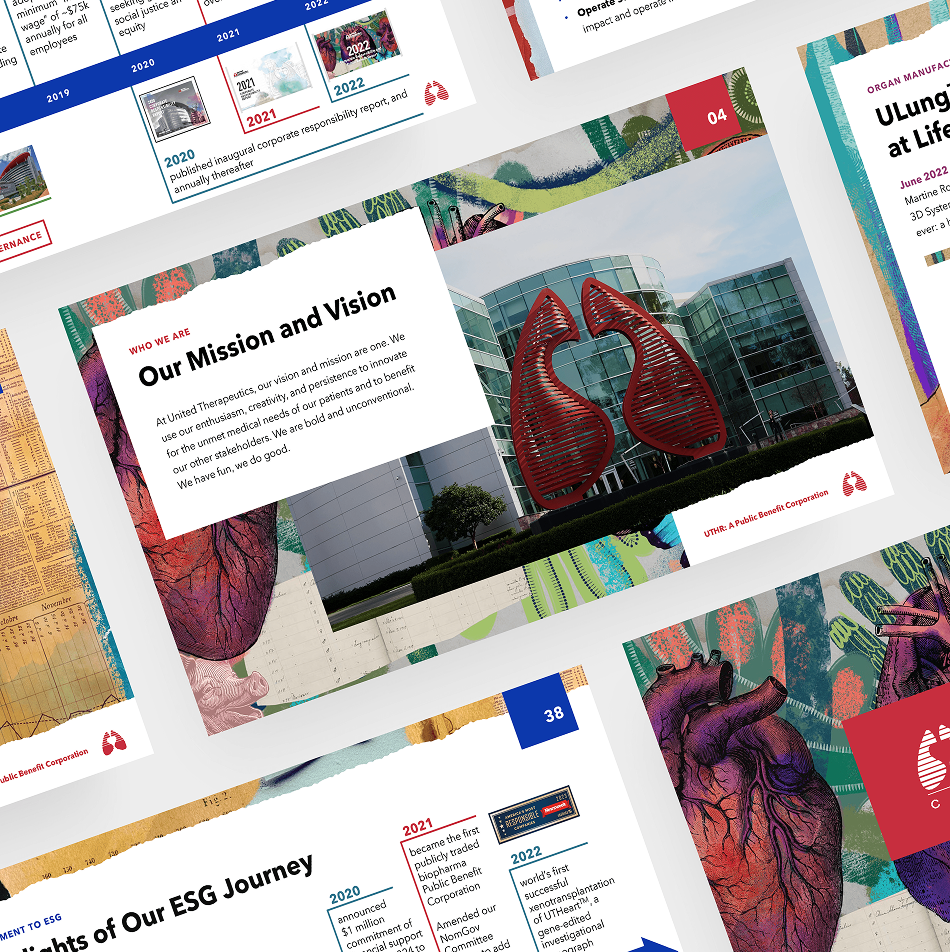
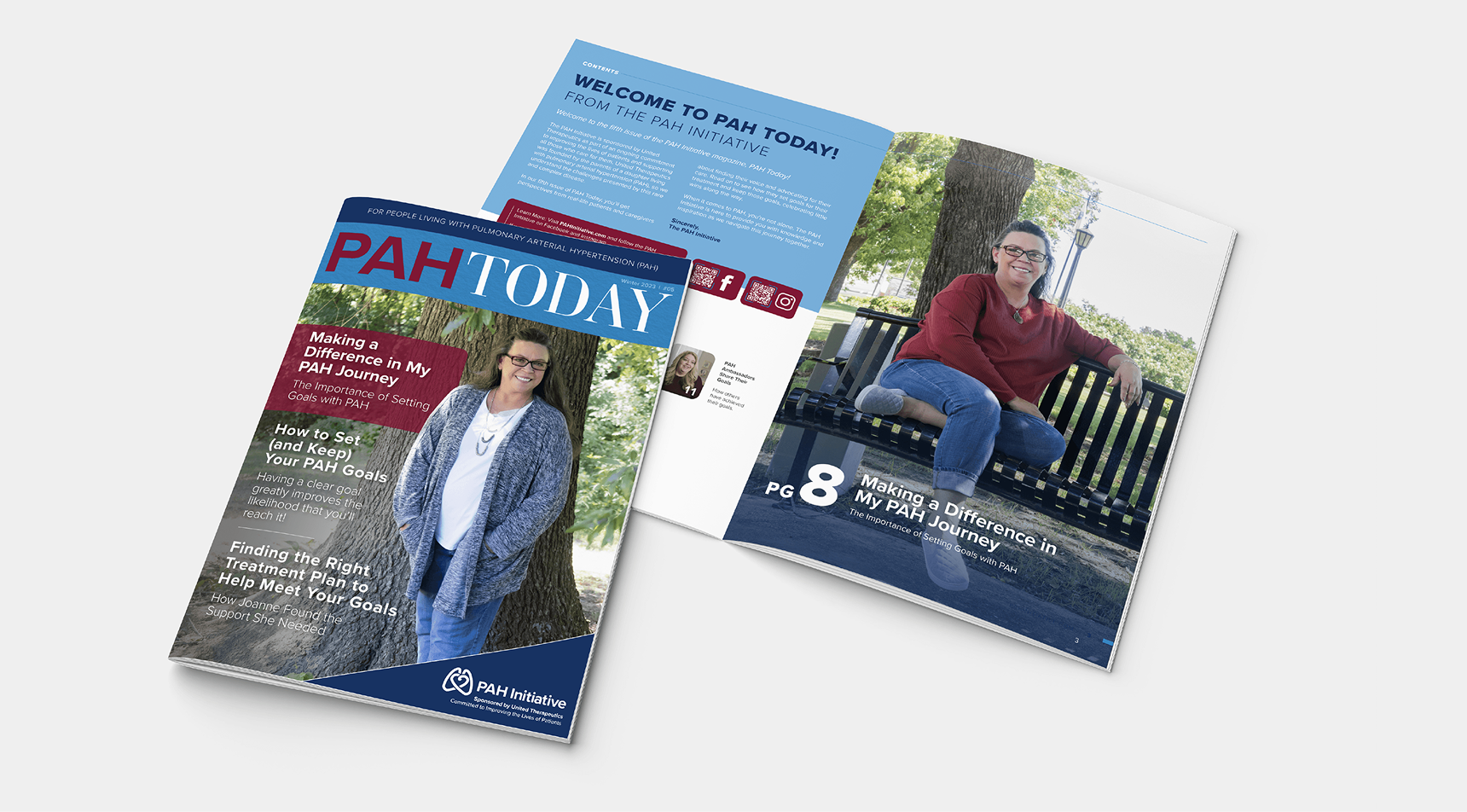
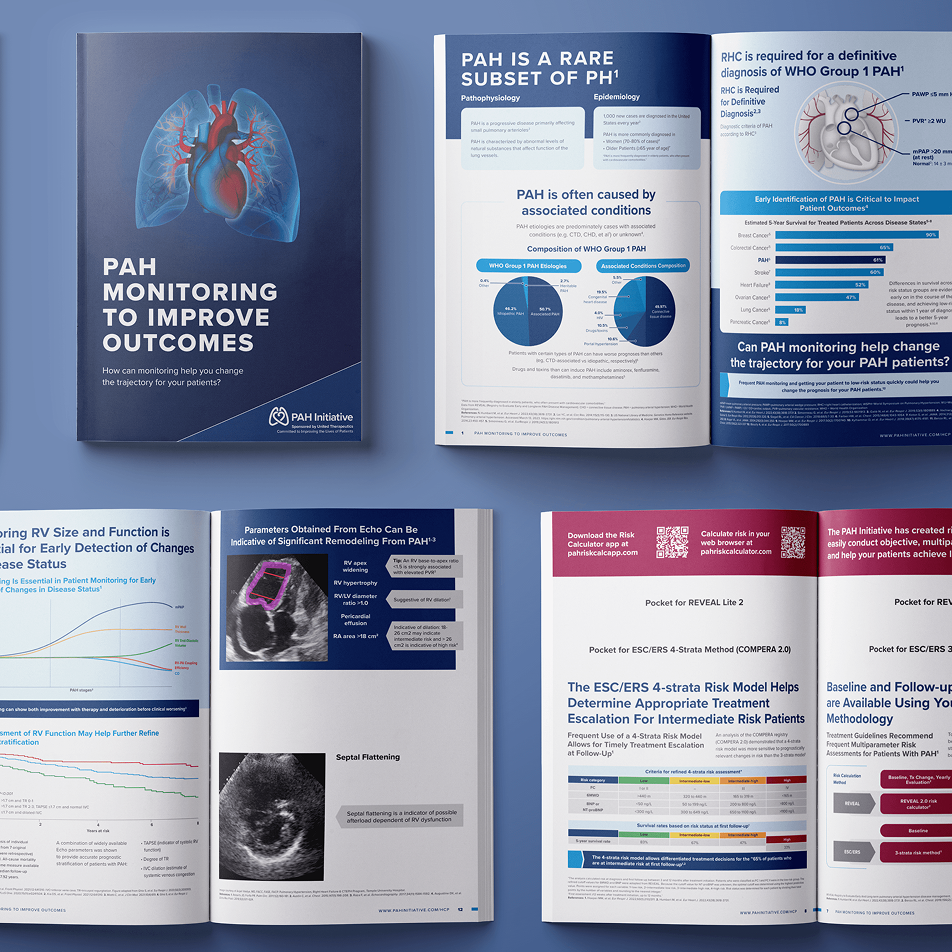
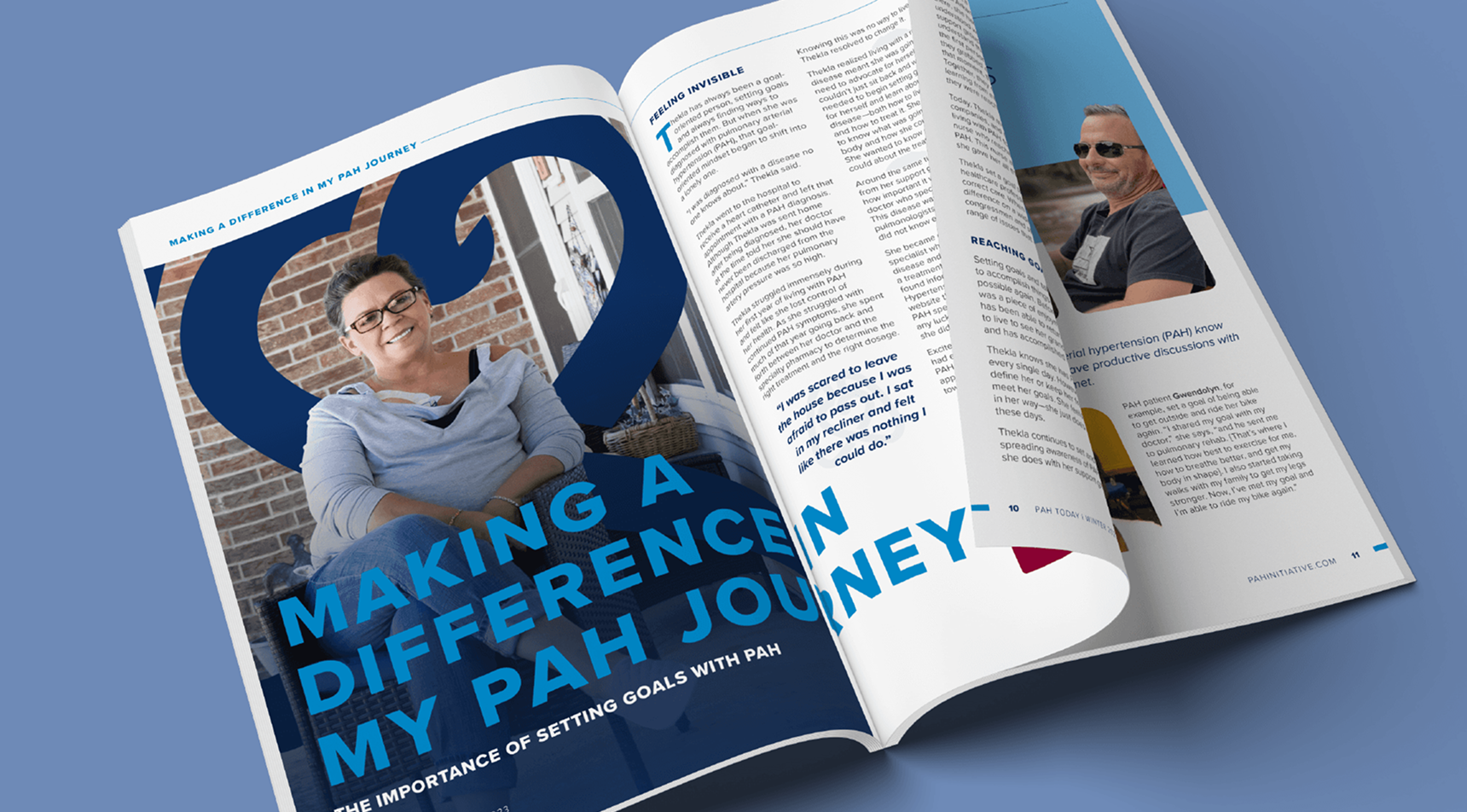
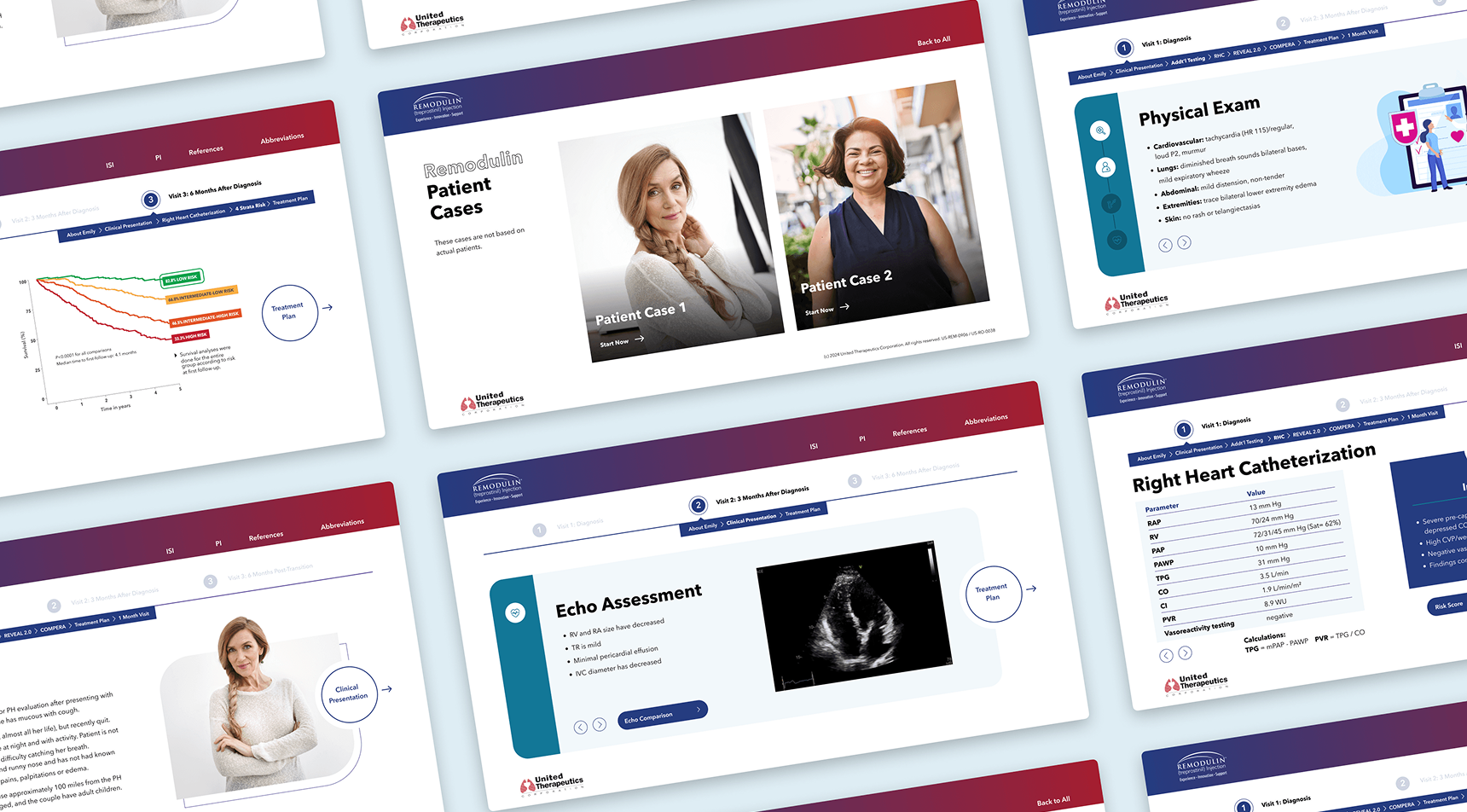
When United Therapeutics approached Carimus, they were seeking a partner with the creative and technical expertise to revamp a corporate slide deck and update the look of their print magazine, PAH Today. Using established brand guidelines, our design team was tasked with creating a presentation that would not only captivate but also inspire the audience. The result was a deck that retained the essence of the UT brand while infusing it with a fresh, innovative spirit, impressing stakeholders across the company.

Periodical Opportunity.

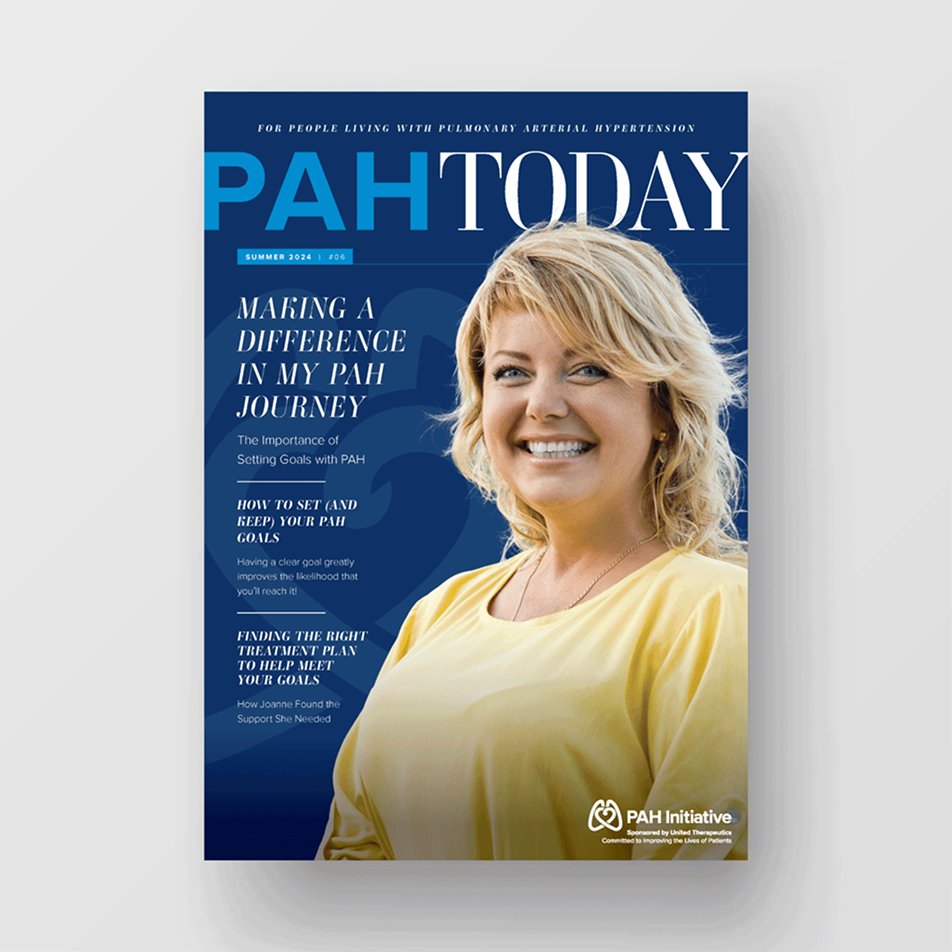
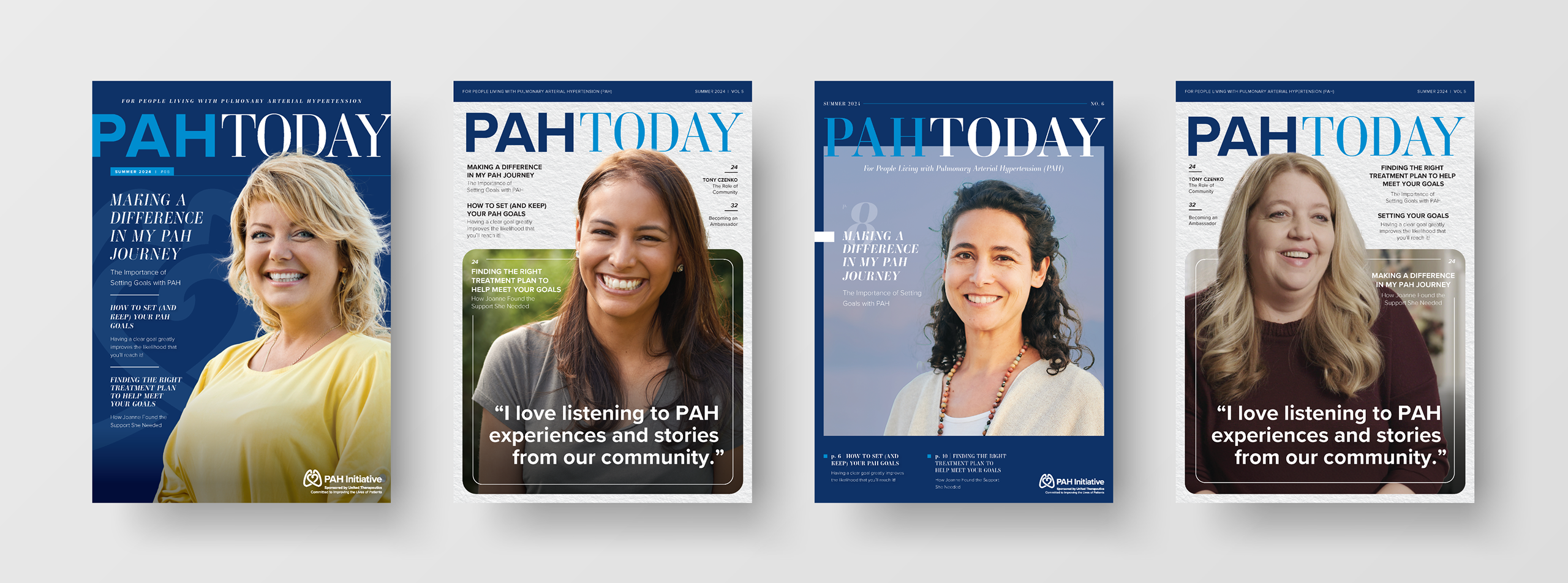
PAH Today serves as a vital communication tool, keeping stakeholders in the healthcare industry abreast of the latest developments in the care of pulmonary arterial hypertension. In collaboration with the PAH Initiative team, Carimus leveraged our versatile design capabilities to deliver the fourth edition of PAH Today. Subsequent editions saw the introduction of reimagined internal spreads and new cover designs, ensuring the periodical remained compelling and modern. This project was a testament to our ability to adapt and deliver high-quality content across various media, including print.

We Speak the Word on the Street

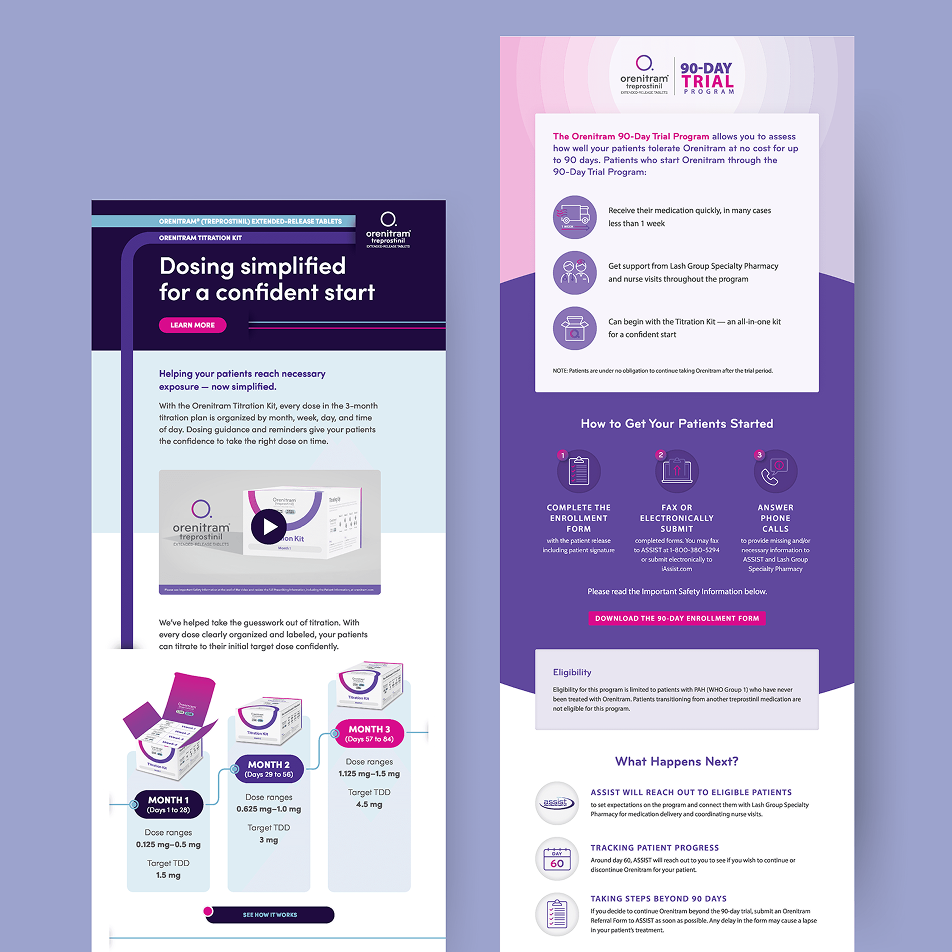
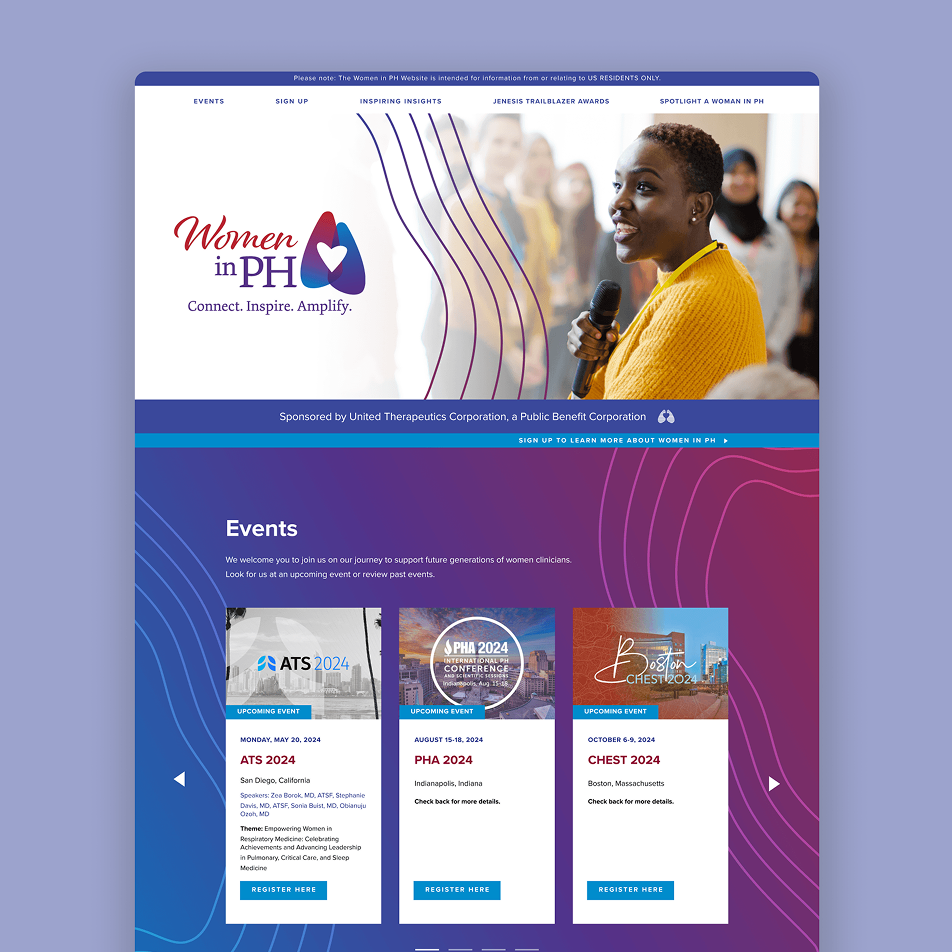
As our work gained recognition throughout UT, we had the opportunity to meet more of the people bringing life-saving innovations to market. We began work with the teams responsible for Orenitram, Remodulin, and Women in PH Digital Marketing. Our omnichannel capabilities and our teams’ creative talents allowed us to add value to UT through email campaigns, print resources, event support, marketing messaging, video animation, digital advertising, and landing pages. Our relationships continue to grow as we assist UT in its mission to provide hope to those living with rare diseases.

The Art of Rocket Science

At Carimus, we’re driven to apply our skills to interesting work with people we like. Our ability to synthesize and communicate complex ideas in compelling, novel ways makes us a valuable partner to UT. We learn our clients’ worlds—their audiences, missions, challenges, and opportunities—and deliver the creative and technical resources they need to achieve their aims.

Impact

Launch Support

Enabled clear communication around advanced therapy delivery

Carimus helped translate complex treatment technology into clear educational experiences supporting therapy adoption and understanding among providers and patients.

Looking beyond your own horizons?
Ready when you are.

Designing for the Age of Insight: Reflections from UXPALOOZA 2025

Written By

Carimus

Exploring AI and the Future of Design


In September, UXPALOOZA 2025 brought together designers, researchers, and product thinkers to explore how artificial intelligence is reshaping human experience and the future of design. The virtual conference centered on one theme above all—AI’s growing influence on creativity, collaboration, and the practice of design.


Carimus Senior Graphic Designer Kaitlyn Wellborn attended sessions that examined what it means to design for and alongside intelligent systems. Her takeaway was clear: AI is accelerating change, but insight, empathy, and judgment remain uniquely human strengths.

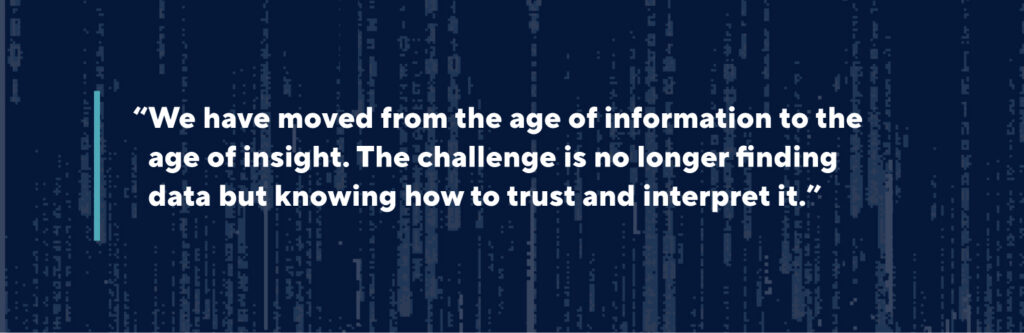
From the Age of Information to the Age of Insight


The internet gave us access to information. Artificial intelligence increases its volume and velocity, but it is still people who turn information into insight.


For decades, UX design has focused on helping people find, filter, and use information. Search tools, navigation systems, and clear hierarchies defined what good design looked like. But in an era where information is abundant and instant, people are no longer struggling to find answers. They are working to trust them.


We have entered the Age of Insight, where value lies not in the amount of data we can access but in how meaningfully we can interpret it. Designers are now responsible for helping users understand intelligent systems, question results, and navigate a world where automation shapes every interaction.


This shift also deepens the psychological side of design. Emotion has always been central to UX, but the focus is evolving. Where design once centered on making experiences feel easy and seamless, the challenge now is to make them feel human and trustworthy.

The human role in an automated world


One of the most persistent questions in design is whether AI will replace creative work. The answer from UXPALOOZA was simple: it will not.


AI can create, but it cannot connect. It can combine patterns, but it cannot care.


While AI systems can generate layouts, copy, and prototypes in seconds, they do so by drawing on existing content. They cannot interpret emotion or context in the way a human can. The edge of innovation still belongs to people.


Designers remain critical because they provide the empathy, inclusivity, and originality that AI lacks. Accessibility and representation do not emerge from data. They come from lived experience and cultural awareness.


As AI handles repetitive or technical tasks, designers are shifting from makers to strategists. They spend less time building single components and more time thinking about systems, intent, and outcomes. Creativity is not being replaced by AI. It is being refocused toward higher-level problem solving.

Designing for AI agents


AI systems are becoming more autonomous every day. They can now answer questions, make recommendations, and complete actions on behalf of users. This change has significant implications for UX design.


Instead of designing static interfaces, teams are learning to design for agents that act, respond, and adapt. These systems require new design considerations:

    • Dynamic information architecture that updates based on context rather than a fixed hierarchy
    • System modeling that anticipates what AI will decide and how users will respond
    • Trust signals that make interactions transparent and understandable

Tools such as Google’s People + AI Guidebook and Shape of AI help designers think through the human implications of these systems. Platforms like Figma Make, UX Pilot, and Cursor show what rapid prototyping looks like when humans collaborate with AI in real time.


Designers are becoming architects of relationships. Their work defines how humans and machines communicate, how they share decisions, and how they build trust.

Artificial friction: when slowing down builds confidence


For most of design history, friction was something to eliminate. Seamless experiences were the goal. But in an AI-driven world, a perfectly smooth interface can feel unsettling.


Artificial friction introduces intentional pauses that make an experience safer and more human. These moments can appear as confirmation prompts, visible data summaries, or quick checkpoints that allow users to review before continuing.


When everything happens instantly, people begin to lose track of what the system is doing. A little friction restores awareness and trust.


Artificial friction can:

    • Prevent unintentional errors or security lapses
    • Encourage more mindful decision-making
    • Strengthen confidence by showing transparency
    • Reinforce ethical awareness in automated environments

The conversation at UXPALOOZA focused heavily on security, but the implications are broader. Designers must decide not only how to remove obstacles, but when to introduce them. A well-placed pause can make the difference between efficiency and unease.

Transparency as the foundation of trust


Trust has become the most important element of modern design. Without it, even the most advanced systems fail to connect with users.


Transparency is the key to earning that trust. It begins by explaining how AI systems work and what data they rely on. At a practical level, this means:

    • Clearly stating when AI is involved in an experience
    • Describing what information the system uses to make suggestions
    • Allowing users to opt in or opt out before automation begins
    • Avoiding unnecessary AI integrations that consume energy or create confusion

Many companies are adding AI simply because it is trending. Responsible design requires asking whether automation genuinely improves the experience.


Sometimes, restraint is the smarter choice.


Transparent design also empowers users to stay in control. A simple question like “Would you like to use AI for this?” can restore agency and make technology feel more like a partnership than an imposition.

Using AI as a partner in creativity


AI can be a powerful partner when used to extend human creativity rather than replace it. Designers can use AI tools to explore variations, test hypotheses, or speed up prototyping. The key is to treat every AI output as a starting point, not a finished solution.


This approach keeps human discernment at the center. AI can generate, but humans interpret. Designers still define goals, assess quality, and decide what belongs in the final product.


Using AI in this way creates space for curiosity and experimentation. It accelerates the creative process without compromising authenticity or intent.

The ethical landscape ahead


The rapid adoption of AI has created new questions about ethics, ownership, and consent. Designers now face challenges that extend beyond visual or interaction design.


When AI tools are trained on public work, who owns the results? When internal documents or client materials are shared with AI platforms, what happens to that information? These questions highlight the need for transparency and accountability.


Designers must collaborate with legal, data, and leadership teams to create policies that safeguard privacy and intellectual property. The principles that guide ethical design apply here as well: respect for people, clarity of communication, and responsibility for impact.


As AI becomes embedded in every stage of the creative process, maintaining these standards will be essential for building trust both inside and outside the organization.

Opportunities and challenges for emerging designers


For those entering the field, AI is both an opportunity and a challenge.


Generative tools make it easier to create prototypes and explore design ideas. At the same time, automation can limit hands-on experience with foundational tasks. Entry-level work that once offered valuable learning opportunities is now handled by machines.


This shift requires new kinds of mentorship and education. Future designers will need to understand how to collaborate with AI responsibly, evaluate its results, and identify where human insight is most valuable.


Technical skills will remain important, but the next generation of UX professionals will also need strong foundations in ethics, systems thinking, and communication.

The designer’s mindset for the future


As AI continues to evolve, so will the role of the designer. The work is becoming less about creating individual interfaces and more about orchestrating relationships between humans and intelligent systems.


The most valuable skills moving forward include:

    • Interpretation: making sense of AI outputs and turning them into meaningful solutions
    • Ethical awareness: knowing when to question or challenge automation
    • Storytelling: helping users understand complex systems through clear communication
    • Adaptability: staying curious and open as tools and technologies change

Designers who embrace these skills will continue to shape the future of digital experience.

Balancing intelligence and intuition


UXPALOOZA 2025 captured a pivotal moment for design and for the way we think about human work more broadly. Artificial intelligence is changing how we build, learn, and make decisions across every field. It is reshaping processes, accelerating outcomes, and redefining what it means to create.


Yet it is also reminding us of what cannot be automated.


Good design has always been about empathy, about understanding needs, motivations, and frustrations, and then translating that understanding into thoughtful solutions. The same principle applies across every area where AI is at play. Behind every algorithm, workflow, and system is still a person interpreting meaning, making choices, and deciding what matters.


As technology grows more capable, the responsibility to keep it human grows stronger. The task ahead is not only to design with intelligence, but to act with intention.

Designing with purpose at Carimus


At Carimus, we see that responsibility as core to our work. Whether we are developing digital products, building brand experiences, or designing internal tools, our goal is the same: to create technology that reflects human values.


AI is part of that evolution, but it is people who shape its purpose. We believe the most meaningful innovation happens at the intersection of insight and empathy, where data meets understanding and technology serves creativity.


The future will belong to those who can balance insight with empathy, speed with care, and innovation with integrity, and we are excited to help lead that conversation.

What I love about the culture at Carimus is that it thrives on a foundation of passion and excellence, where every individual is not just an employee but a valued contributor to our shared success story.

Chelsey Austin
Project Manager

Looking beyond your own horizons?
Ready when you are.

Carimus + Spyrosoft Group: Expanded capabilities. Global reach. Endless possibilities.

Written By

Carimus

Carimus Joins Spyrosoft Group to Expand Global Reach and Accelerate Innovation

We’re excited to announce that Carimus, a brand and technology transformation agency headquartered in North Carolina, has joined Spyrosoft Group, a global technology company headquartered in Poland and recognized as one of Europe’s most innovative and fast-growing firms.


This partnership strengthens Spyrosoft’s presence in the United States and establishes Carimus as its U.S. headquarters. It also marks an important milestone in Carimus’s ongoing growth and vision to serve as a strategic partner to leading brands worldwide—expanding what’s possible for our clients and our team.


“Since our inception, we’ve partnered with organizations of every size to deliver bold, human-centered digital experiences,” said Tony Pease, CEO of Carimus. “Joining Spyrosoft Group gives us the scale, capabilities, and global engineering depth to realize that ambition at an entirely new level — while preserving the creativity, relationships, and values that define us.”

 

Carimus will continue to operate independently under its current leadership, with headquarters in Raleigh, North Carolina. Our strategy, design, and engineering teams will continue to serve clients across healthcare, life sciences, biotechnology, energy, utilities, the public sector, and technology.


“Carimus brings valuable experience in digital product design, strategy, and software development to our North American operations,” said Konrad Weiske, CEO of Spyrosoft S.A. “This acquisition strengthens our position in the United States and supports our long-term growth strategy, including development in emerging areas such as artificial intelligence.”
 

Through Spyrosoft Group, Carimus now connects to a network of more than 1,900 professionals across 18 offices spanning Europe, North America, South America, Asia, and the United Kingdom. The collaboration enhances our ability to deliver at scale with the technical depth, certifications, and advanced AI expertise needed to meet the evolving needs of our clients.


At Carimus, we remain focused on purposeful design, meaningful impact, and the belief that creativity and technology together can move people and organizations forward.


Expanded capabilities. Endless possibilities.

What I love about the culture at Carimus is that it thrives on a foundation of passion and excellence, where every individual is not just an employee but a valued contributor to our shared success story.

Chelsey Austin
Project Manager

Looking beyond your own horizons?
Ready when you are.

You deserve better than “drag-and-drop and hope.”
Written By

Carimus

Your website is the first tangible touchpoint many people have with your brand, and your best opportunity to make a good first-impression.

As your business grows, evolves or leans on content marketing for brand awareness and lead gen, keeping your website current is critical. An outdated site can give the impression that your business isn’t as innovative or active as it once was, or simply confuse visitors with incorrect content. Additionally, regular updates allow search engines and the robots (Answer engines like Gemini or ChatGPT) to index fresh content, improving your visibility to your target audience.


Many website content management solutions take a one-size-fits-all approach and end up with bloated features and obtuse editing experiences. We’ve seen how traditional website management tools overpromise and underdeliver, packed with features you don’t need, hard to navigate, and easy to break. You shouldn’t need an engineer, or a YouTube deep dive, to make a basic update.


At Carimus, we put just as much care into the admin experience as we do into the design. Because if it’s easy to use, your team will actually use it. We take a customized approach to the editor experience to empower anyone on your team to update the website with confidence, all while maintaining visual consistency and staying on-brand regardless of technical expertise.

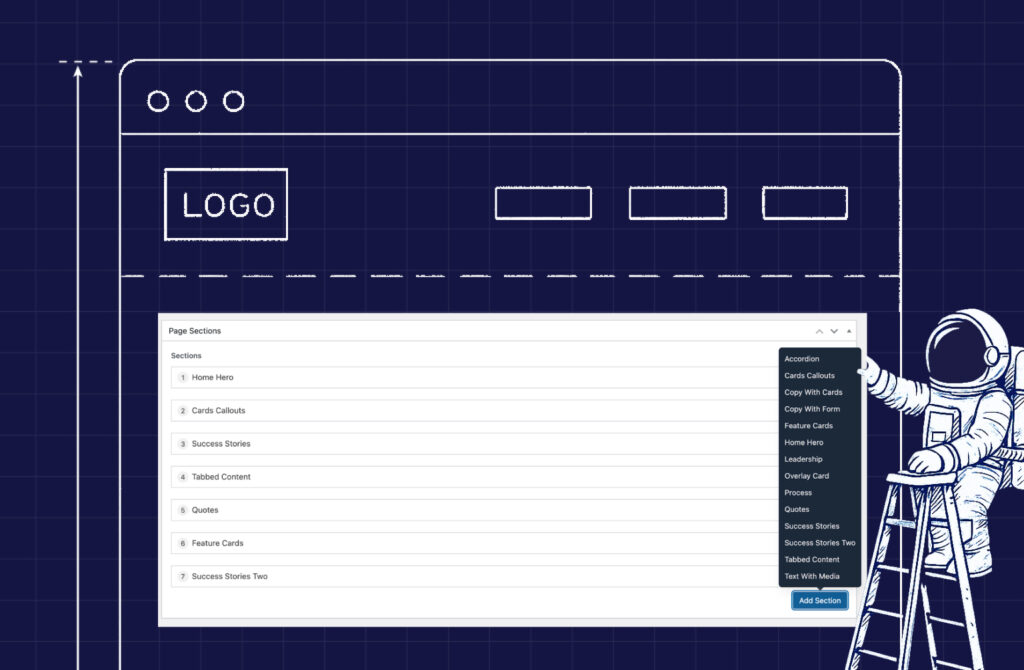
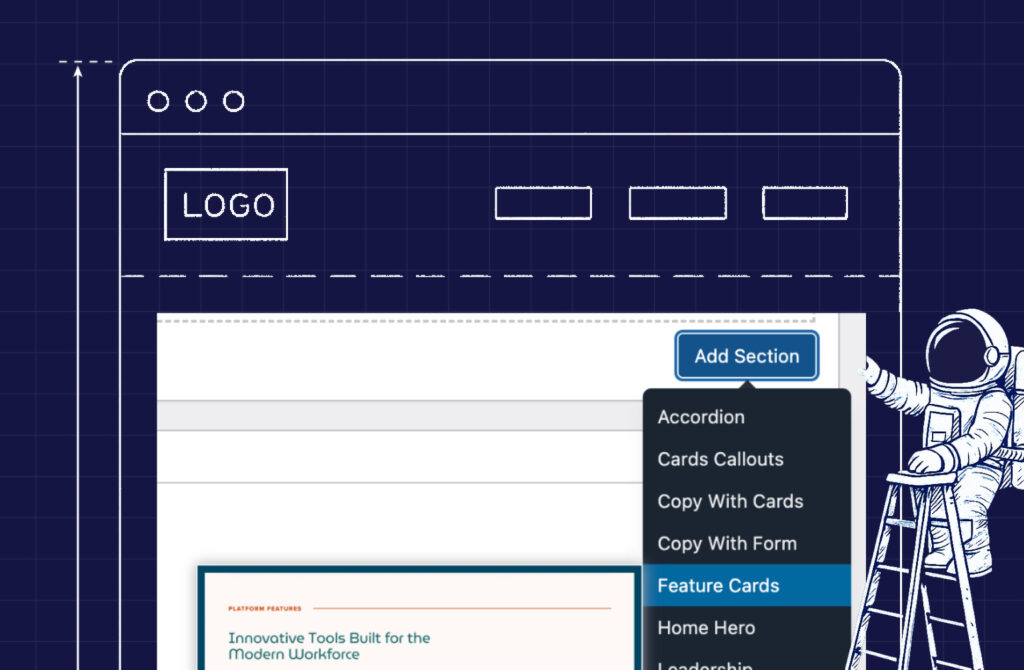
Page Sections


Our WordPress theme uses modular content blocks, making it easy for your team to reuse and rearrange sections across any page. This flexible “LEGO-style” approach allows you to build new content quickly while always staying true to your brand’s identity. You get the freedom to update content fast, without rebuilding pages from scratch or worrying about things breaking. We supply the building blocks. Your team builds the story.

Built-in Structure


Off-the-shelf solutions often include visual “drag-and-drop” editors. While flexible, they can also create chaos. Unless you have the time and resources to redesign every page with each content update, these editors can become a liability.


We’ve found two major recurring issues with these systems:


    • Layouts that Fall Apart
      Almost every update happens on a desktop. After hours of perfecting a page, users often forget, or don’t have time to check how it looks on mobile. This leads to broken layouts, poor user experiences, and frustration. For many, editing the website is just one of many responsibilities. The more time spent on small tweaks, the greater the frustration.
    • Easy to Break
      Have you ever added an image to a Word doc and watched your layout implode? Now imagine doing that to an entire web page every time you make an update.


We prevent this by providing structured content fields in the backend. Our theme and code handle the design. Whether you’re adding a single sentence or a gallery of images, the layout just works. You don’t have to worry about screen sizes or formatting issues; our system ensures the page looks great on every device, every time.

Visual Cues Make Clear-Cut Editing


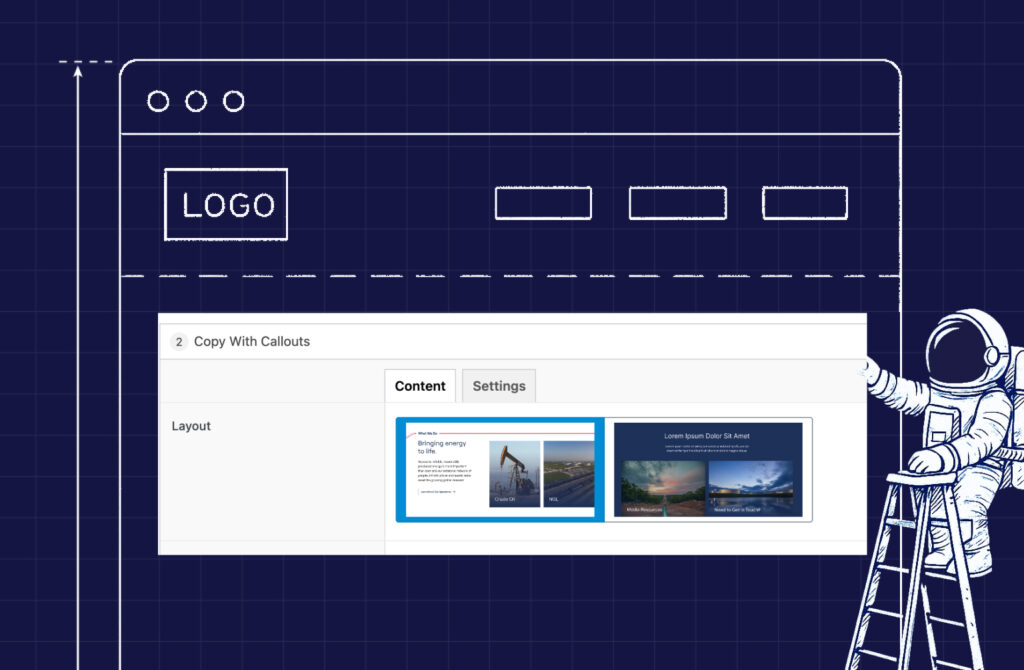
Your team should feel confident from the start. That’s why we customize the backend to make it easy to understand. Vague section names don’t mean much to someone editing the site for the first time. So instead, we include preview screenshots alongside each section option to show exactly what it will look like before it’s added to a page.

If a section includes layout variants, we show screenshots of those too, so you always know what to expect. You shouldn’t have to use a different section that has the same fields just because they are styled slightly different.

True WYSIWYG Editing


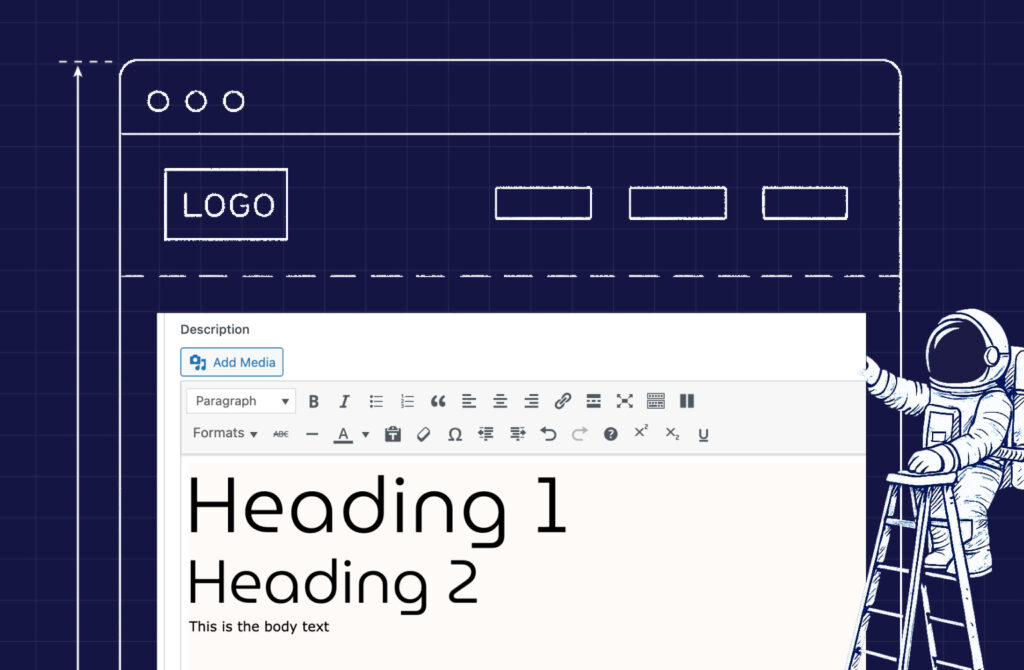
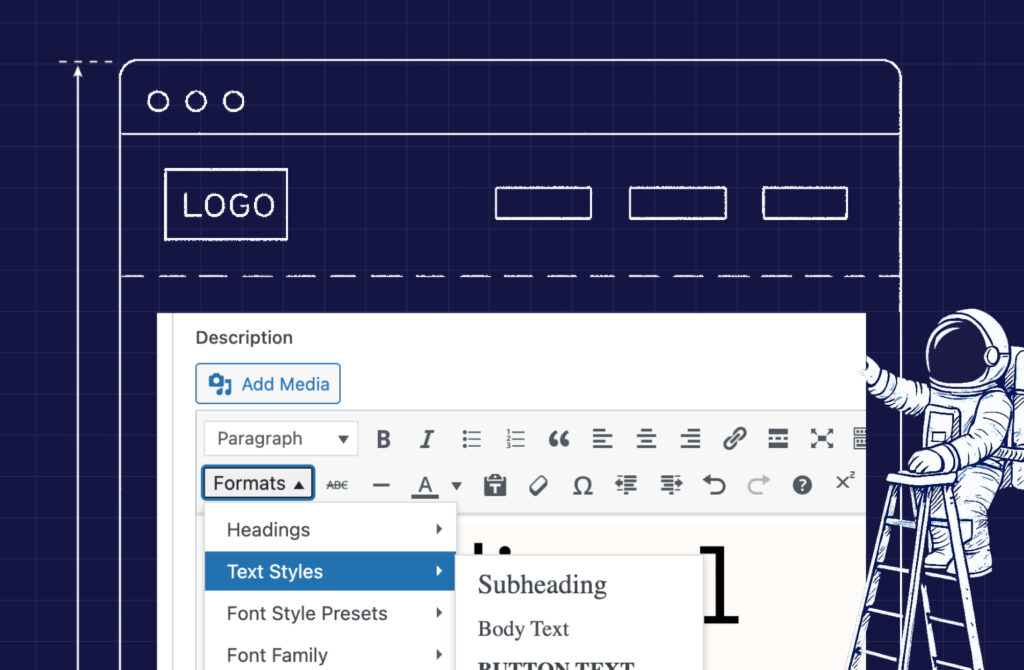
We believe “What You See Is What You Get” should actually mean something. We import your brand’s styles into the editor so your team can apply brand colors, headline styles, buttons, and links, seeing exactly how they’ll appear on the live site. No more guessing. Just clear, consistent updates that look right the first time.

Training & Documentation


We know managing a website involves more than just editing pages. That’s why we provide thorough training and documentation for your team, from onboarding new employees to answering ongoing questions.


We prepare a Website Governance document that outlines how the site is built, who the key stakeholders are, and includes every important detail about your setup.


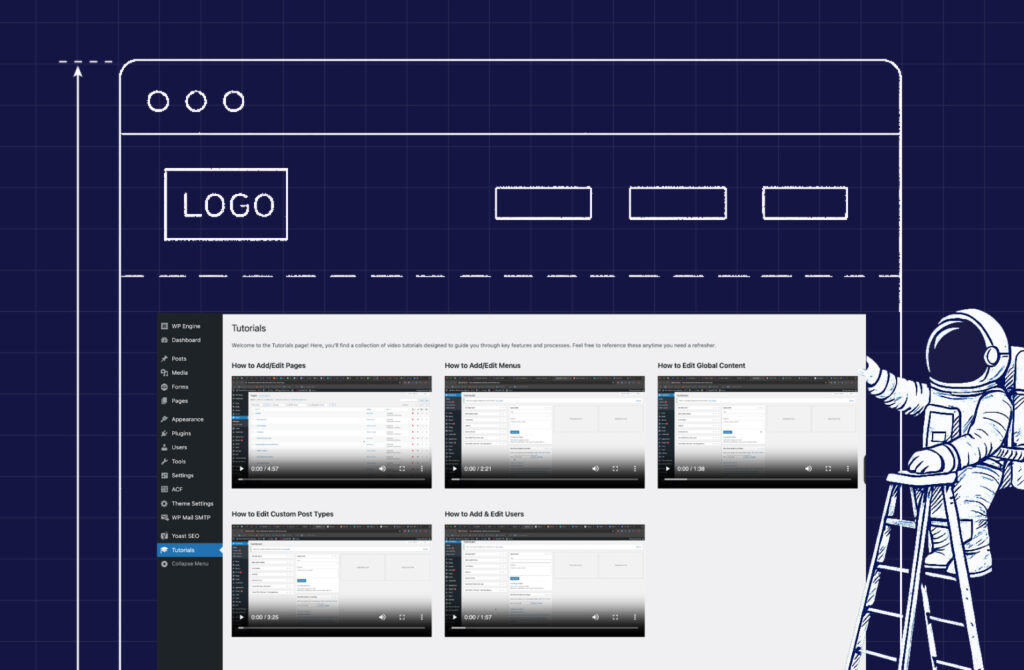
We also include video tutorials, hosted directly in the WordPress dashboard, so any team member with access can find help where and when they need it.

The Bottom Line


Updating your site shouldn’t be intimidating or risky. It should feel like second nature. At Carimus, we combine thoughtful design, intuitive tools, and practical training to ensure your team feels empowered, not overwhelmed. Whether you’re launching a new campaign, adding a team member, or simply updating content, we make it easy for anyone on your team to keep your site fresh, functional, and on-brand. Because when your site works for you, your team can focus on what matters most.

What I love about the culture at Carimus is that it thrives on a foundation of passion and excellence, where every individual is not just an employee but a valued contributor to our shared success story.

Chelsey Austin
Project Manager

Looking beyond your own horizons?
Ready when you are.

Figma Config 2025 Recap: AI, Collaboration and the Return of Craft

Written By

Carimus

Figma Config 2025 Recap: Key Themes, Tools, and the Future of Collaborative Design

At Figma Config 2025, the message was clear: design is moving fast. New AI-powered tools and collaborative features are changing how creative teams work, ideate, and build. But beneath the product launches and demos, a deeper idea stood out to us.


Craft still matters. So do the people behind the work.


Even as technology speeds things up, intention and care remain essential. The process still needs time to think, to explore, and to create with purpose.


For Carimus, Config wasn’t just about what’s next. It was a chance to step back, ask better questions, and consider how emerging tools can support the empathy, strategy, and creativity that shape meaningful design.

New tools, bigger possibilities


Figma introduced a suite of powerful updates designed to reduce friction and increase flexibility for creative teams:


    • Grid gives teams more control in managing scalable design systems
    • Sites enables no-code publishing directly within Figma, allowing designers to shape digital experiences from start to finish
    • Draw brings sketching into the platform, connecting early ideas with polished execution
    • Make and Buzz offer AI-powered assistance for layout generation, content drafting, and rapid prototyping


These features signal Figma’s evolution into a full creative hub, where design, content, strategy, and development can all happen in one place.


For teams like ours, this shift is not just about getting more done. It changes how we work. These tools invite more voices into the process, break down barriers between disciplines, and help us explore ideas at the pace we think rather than the pace we work.

AI as a creative partner, not a creative replacement


AI surfaced in nearly every conversation at Config, but rarely as a threat. Instead, the energy focused on how generative tools can enhance and support the creative process without taking it over.


Used intentionally, AI can remove repetitive, low-impact tasks and unblock early ideation. It can help designers explore layout options, draft starter content, or test visual directions quickly without replacing the human insight needed to make meaningful decisions.


This is where AI has the potential to shift the model. Instead of compressing creativity between planning and production, teams gain more room to explore and refine. The result is better ideas, tested earlier and executed with greater clarity.

The return of craft


One of the most powerful and unexpected themes that echoed across sessions was craft. Not nostalgia. Not perfectionism. But a call to keep care and quality at the center of the work we create even when speed and automation are part of the picture.


Craft means resisting the urge to only execute. It means making time to explore, question, and iterate. And it means remembering that real people will experience what we’re building. The goal is to make that experience feel considered.


Tools like Draw support this mindset by making early thinking visible. They reconnect teams with the instinctive side of creativity—the scribbles, the sketches, the sparks. In fast-moving digital environments, that kind of messiness is often lost. Config challenged us to bring it back.


At Config, that return to human-centered thinking didn’t feel like a rejection of tech. It felt like a response to it. A call to bring authenticity back to the process. To ensure that what we create is not only functional, but felt.

Collaboration, trust, and creative community


One of the most energizing parts of Config wasn’t just the product updates. It was the way Figma framed the creative process as something community-driven and collaborative.


This reflects how we work at Carimus. We don’t just design for clients. We design with them.Whether we’re building digital products, shaping brand systems, or communicating with empathy to diverse audiences, we focus on partnership.


Figma’s updates make collaboration easier. They help us stay aligned, avoid rework, and keep conversations open between strategy, design, and content. But tools can only take you so far. Trust is built when teams share ownership and invest in outcomes together.


In client work of any kind, this is vital. The audiences we design for are real people, not just personas. We ask ourselves: Why are we making this? Who is it for? And how can we make the experience more human?

What we’re taking forward at Carimus


At Carimus, we see design as more than a final deliverable. It’s a blend of creativity, technology, empathy, and business thinking. Config 2025 affirmed that view and gave us new ways to put it into practice.


We’re already exploring how:


    • Draw and Make can support earlier ideation and faster handoff
    • Grid can help us scale design systems with consistency and flexibility
    • Sites can help execute small, limited landing pages needed in a pinch
    • AI can remove blockers and speed up iteration without losing human insight
    • Figma’s collaborative updates can bring cross-functional teams closer together
    • Craft and storytelling can remain central, even as the tools advance

Across industries and audiences, clarity and care aren’t extras. They’re essential to creating meaningful results.

Looking ahead


Config 2025 confirmed what we’ve been feeling. The design world is shifting quickly. But the work that resonates still relies on trust, empathy, and thoughtful execution.


Technology can help us move faster.
Collaboration can help us go further.
Craft can help us build something that matters.


And community keeps the work connected to the people it serves.


We’re here for all of it. At Carimus, we believe art is the new rocket science and we’re ready to shape what’s next.


Curious how these trends might impact your team or brand?
Let’s connect. We’d love to talk about how creativity, clarity, and collaboration can help you move forward.

What I love about the culture at Carimus is that it thrives on a foundation of passion and excellence, where every individual is not just an employee but a valued contributor to our shared success story.

Chelsey Austin
Project Manager

Looking beyond your own horizons?
Ready when you are.

Streamlining M&A Digital Transformation: A Scalable Solution for Energy Conglomerates

Written By

Carimus

Mergers and acquisitions (M&A) are powerful tools for business growth, allowing companies to expand their capabilities, reach new markets, and consolidate industry leadership. However, the digital integration process following an acquisition is often overlooked, leading to several areas of risk. Without a unified strategy, companies face:


    • Fragmentation in web footprint creates higher risk of Ransomware, Cyber penetrations, and failure to maintain basic web security standards
    • Inconsistent branding causing confusion amongst customers
    • Operational inefficiencies that can lead to siloed knowledge about any aspect of your business.
    • Creating higher cost due to mounting technical debt, implementation of enterprise systems, and tribal training across the different platforms


This was the exact challenge our client partnered with Carimus to resolve. As one of the world’s largest energy conglomerates, they continued acquiring companies to expand their service network; they encountered an increasingly complex and unmaintainable digital ecosystem. Each acquisition introduced different tech stacks, hosting platforms, and third-party services, making it difficult to manage and scale effectively.

The Challenge: Create Unified Digital Footprint


The client was making 3-5 enterprise size acquisitions per year.  The acquisitions were made to be stand alone organizations but the parent company struggled keep up with domain registrations, broken links pages, and had an unmanageable security and compliance risk.


As the client’s portfolio of acquired companies expanded, so did the complexity of managing their digital presence. Each acquisition required substantial effort to onboard, integrate, and maintain, often leading to delays, technical debt, and security risks. With multiple tech stacks in play, maintaining brand consistency, managing hosting solutions, and securing websites became overwhelming.  In many cases, the legacy websites were no longer linking to meaningful content.


Additionally, the unpredictable surge in website traffic post-announcement of merger componded these issues. The first 24 to 72 hours following an acquisition saw a 2x to 10x increase in website traffic, fueled by media coverage, investor interest, and customer inquiries. Without a streamlined digital approach, acquired companies struggled to handle these surges effectively, leading to potential missed opportunities and captured data points.

Our Solution: A Unified, Scalable Digital Framework


To address these challenges, we developed a strategic M&A workflow centered around a scalable, maintainable, and cost-effective digital foundation. Our approach provided the following key solutions:


1. Standardized WordPress Brand Approved Themes


Instead of navigating the complexities of disparate tech stacks, we introduced a set of pre-built, customizable WordPress starter themes. These themes allowed newly acquired companies to quickly transition into our client’s digital ecosystem without sacrificing their unique branding and recognition. Each theme maintained the same foundational codebase, ensuring:


    • Faster deployment
    • Brand consistency across all acquired entities
    • Reduced development and maintenance costs


2. Centralized Hosting on WP Engine


We created a centralized hosting infrastructure on WP Engine, consolidating all acquired company websites under one managed server. This approach:


    • Simplified server maintenance and security updates
    • Allowed for seamless plugin management and performance optimizations
    • Ensured compliance with security best practices and ADA accessibility requirements
    • Allowed our client’s internal IT team to manage user permissions and access across all their sites.

By bringing hosting under one roof, we eliminated the inefficiencies of managing multiple hosting providers while improving website performance, uptime, maintenance, and security.


3. Scalable and Secure Infrastructure


Security and compliance are critical concerns in any M&A strategy. Our solution addressed these risks by:


    • Implementing robust security protocols, reducing vulnerabilities across the portfolio
    • By leveraging WP Engine, our client is able to schedule backups across the portfolio. In the event a site has become under attack, they are able to restore quickly with minimal loss of content and data.
    • We leaned into using WP Engine Atlas server to create a headless WordPress site with a Next.js frontend. This setup allows us to integrate well with any other systems the client uses, improve page speed performance, and create another security layer between the frontend site, and where the data is stored on the backend.
    • Using a secure hosting provider like WP Engine prevents known WordPress-specific threads that other hosting providers may not prevent.
    • Using Google Analytics and server data across all the sites to provide insights and make more informed decisions to optimize the client’s reach.
    • Enforcing password management best practices to mitigate unauthorized access risks.
    • Ensuring ADA compliance across all digital properties, minimizing legal exposure.

The Impact: Immediate Gains and Long-Term Efficiencies


Immediate Surge: Handling 2x to 10x Traffic Spikes


Post-acquisition website traffic can surge dramatically within hours. Our scalable infrastructure and optimized WordPress framework ensured that each acquired company’s website could handle these spikes efficiently. By preparing for traffic surges in advance, we helped our client capitalize on media attention, investor curiosity, and customer engagement without performance degradation.


Sustained Growth: 1.5x to 3x Increase Over Time


Beyond the initial spike, websites often experience 1.5x to 3x sustained traffic growth in the following weeks. Our centralized management system allowed our client to maintain visibility and control over these digital properties, ensuring long-term performance, content consistency, and audience engagement. A site’s performance has a direct correlation to its SEO scores. Since we build with performance at the forefront, we are able to provide speedy sites that leverage more dynamic content (videos, interactive maps, etc) while seeing improved SEO scores.

Beyond Efficiency: Unlocking New Opportunities


Beyond addressing inefficiencies, our solution opened new opportunities for our client:


    • Common Reporting: By integrating all websites into one ecosystem, we enabled consolidated analytics and reporting, which provided deeper insights into audience behavior and acquisition performance.
    • Cost Consolidation: By standardizing hosting and infrastructure, our client significantly reduced costs associated with disparate hosting providers and redundant technology solutions.
    • Improved Integration: Acquired companies could be quickly integrated into the conglomerate’s digital framework, reducing onboarding friction and accelerating their transition into the corporate ecosystem.

Conclusion: A Blueprint for Scalable M&A Success


For enterprises engaging in frequent acquisitions, managing digital transformation efficiently is not just an operational necessity—it’s a competitive advantage. By implementing a standardized, scalable, and secure digital framework, our client turned M&A complexity into an opportunity for streamlined growth. With our solution, every acquisition became a seamless extension of their brand, ensuring long-term sustainability, enhanced security, and optimized performance.


As the global landscape evolves, organizations that embrace digital scalability will emerge as industry leaders. Our approach sets the foundation for successful, future-proof M&A strategies that align with business objectives and operational excellence.

What I love about the culture at Carimus is that it thrives on a foundation of passion and excellence, where every individual is not just an employee but a valued contributor to our shared success story.

Chelsey Austin
Project Manager

Looking beyond your own horizons?
Ready when you are.